







Before Egypt: The Nubian Factor
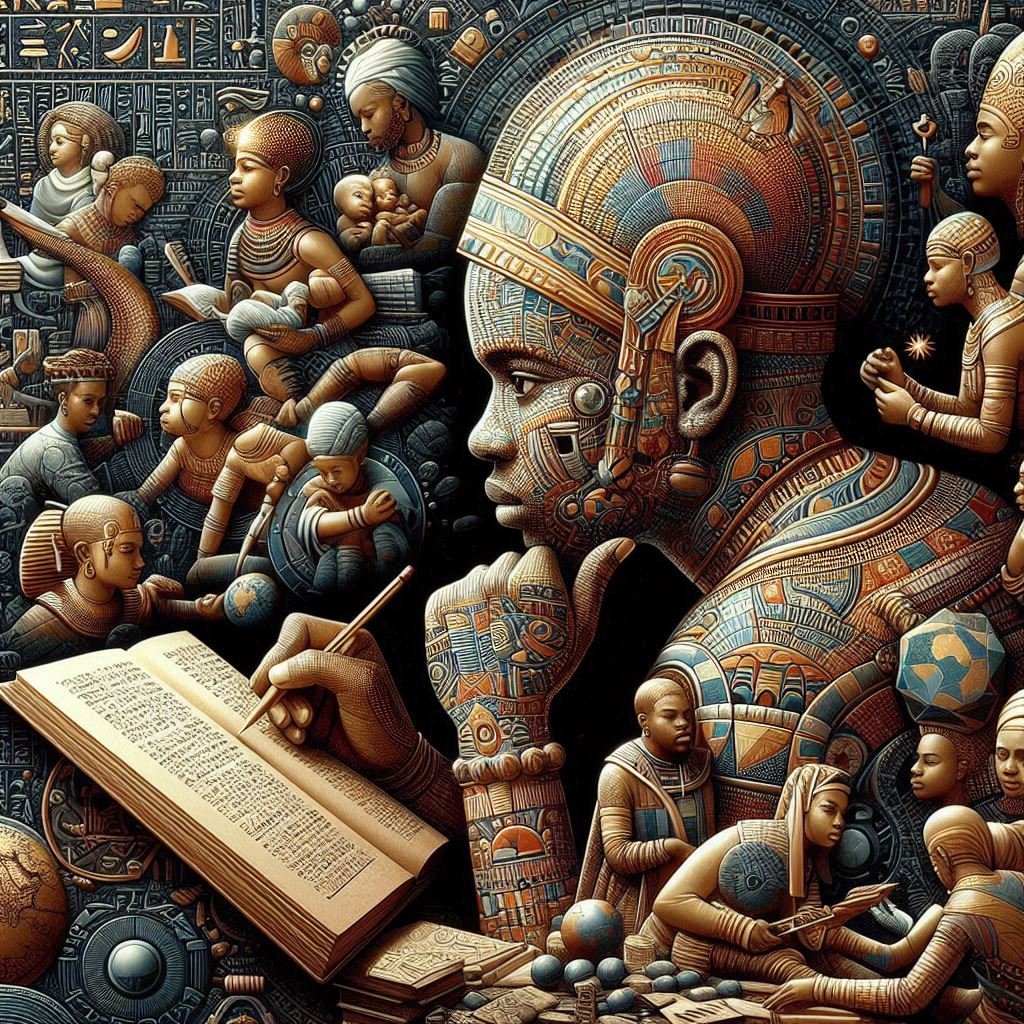
The Complexities of Race and Identity in Ancient Egypt
Throughout history, the field of archaeology has been heavily influenced by prevailing cultural ideologies, often leading to the promotion of Euro-centric narratives that distort the understanding of ancient civilizations. One of the most notable examples of this phenomenon can be observed in the portrayal of Egypt, an African nation and its relationship to other African nations, particularly concerning Nubia.
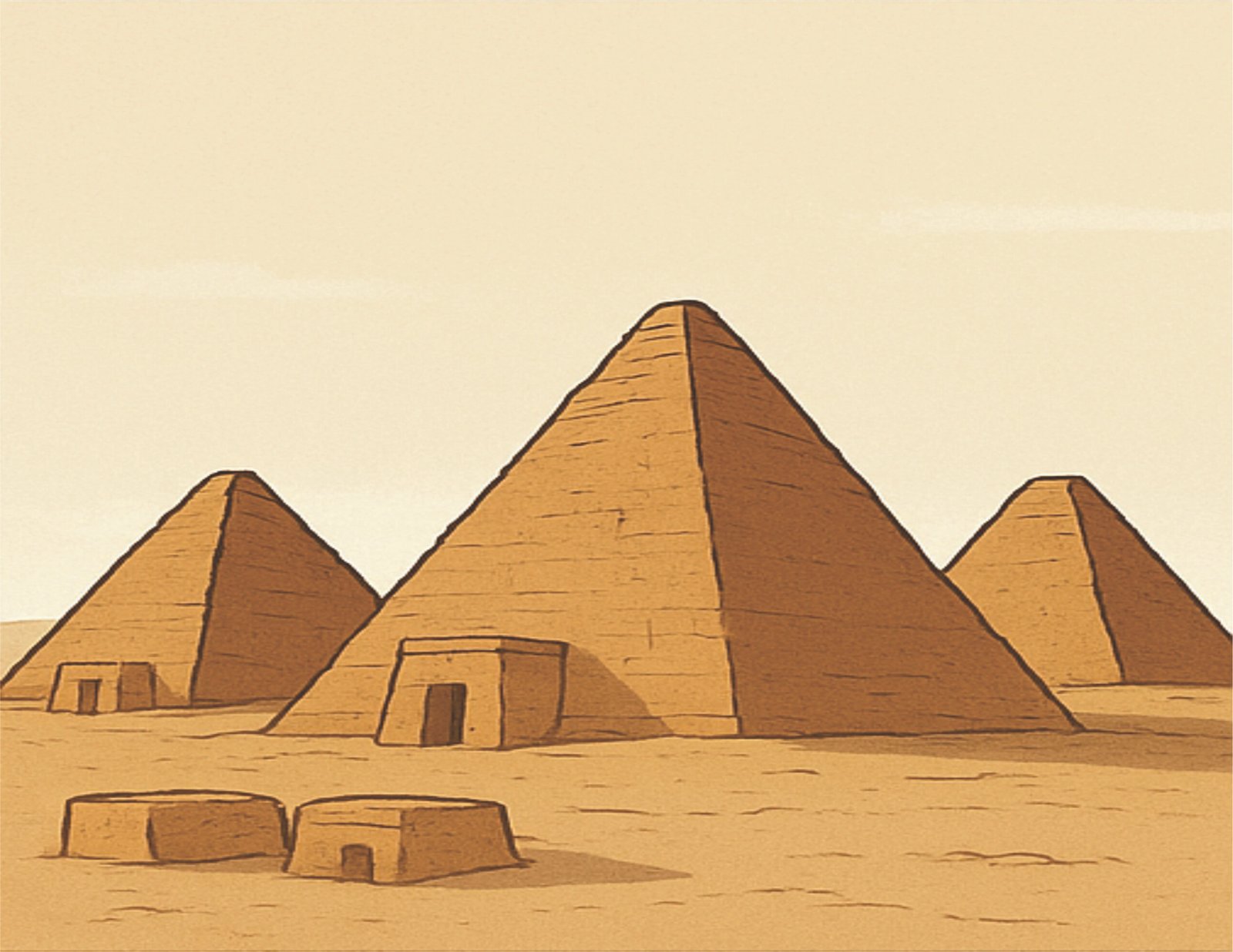
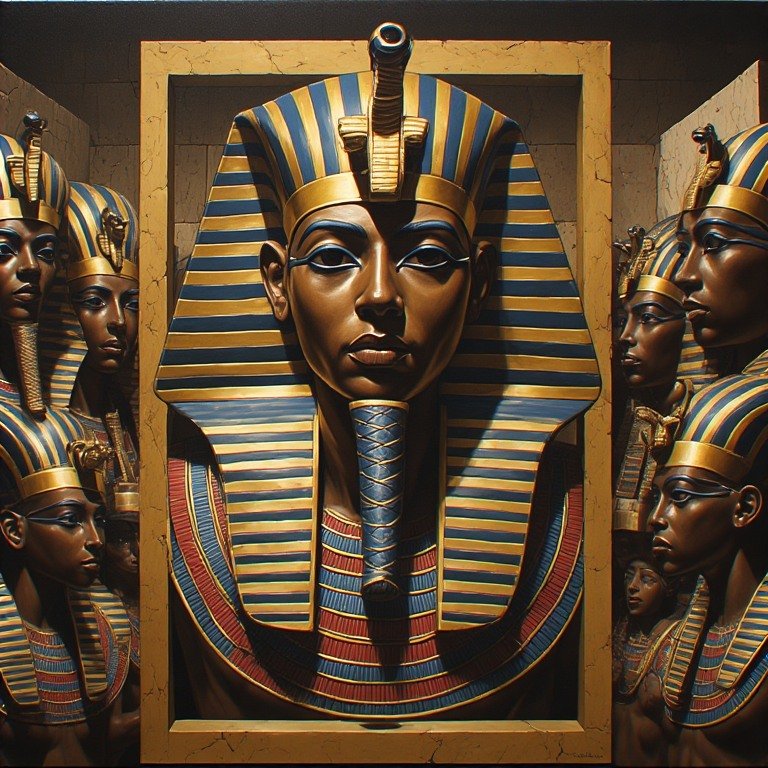
For centuries, the portrayal of ancient Egyptians has been subjected to the whims of interpretation, often skewed by the biases of the interpreters. These interpretations frequently excluded or marginalized the authentic identities of the individuals who built one of the greatest civilizations the world has ever known. New findings, however, shed light on their true identities, revealing not only the socio-political dynamics of the time but also the rich tapestry of their cultures and achievements.
Herodotus, who traveled to Egypt in the 5th century BCE, offered valuable observations about the customs, beliefs, and appearances of the Egyptians. His descriptions allude to a population that bore resemblance to the Nubians, who lived to the south of the Nile and were characterized by their dark skin. This eye-witness account has been foundational in discussions on the ethnic identity of ancient Egyptians. Scholars and activists throughout the 20th century have pointed to Herodotus’s descriptions to support the notion that ancient Egyptians were predominantly black, emphasizing that the cultural and racial dynamics of ancient Egypt were deeply intertwined with those of Nubia and sub-Saharan Africa.
However narratives evolved, influenced by the cultural and political tides of the times. The early Egyptians described by the ancient historian Herodotus, often called the ‘Father of History,’ through eye-witness account, describing them in a manner that many modern scholars interpret as indicative of a black or Nubian identity was challenged and re-framed by later writers and archaeologists across the centuries, leading to a complex, layered discussion about the ancient populace of Egypt.
As the centuries progressed, interpretations began to diverge dramatically. In the wake of colonialism and the rise of racial theories based on perceived hierarchies, Western writers and archaeologists construed ancient Egyptians in ways that aligned with their own cultural paradigms. The 19th century witnessed the emergence of theories that sought to classify civilizations through a racial lens, often emphasizing the Mediterranean ancestry of the Egyptians and framing them in opposition to African identities. This perspective often stemmed from an inherent bias that aimed to elevate European cultures while undermining those of Africa.
Numerous influential figures during these periods, including some prominent archaeologists and historians, contributed to a narrative that distanced Egypt from its African context. This was part of a broader trend in scholarship that sought to Europeanize the achievements of ancient civilizations. As a result, the notion of the ancient Egyptians as predominantly African, as suggested by Herodotus, was systematically undermined. Artifacts, monuments, and hieroglyphics were anthropologically dissected, contributing to an evolving interpretation that framed Egyptians as racially distinct from other African communities.
A glaring illustration of this Eurocentric bias is the treatment of the Nubian kings of the 25th Dynasty: Piye, Taharqa, and Shabaka. For many years, these rulers were often labeled as “foreign usurpers,” despite their legitimate claims to the thrones of Egypt and their pivotal role in preserving and revitalizing Egyptian culture during periods of decline. This narrative diminishes the rich history of Nubian sovereignty and its direct influence on Egypt, instead framing these kings in a way that is disconnected from the broader historical narrative of African heritage.
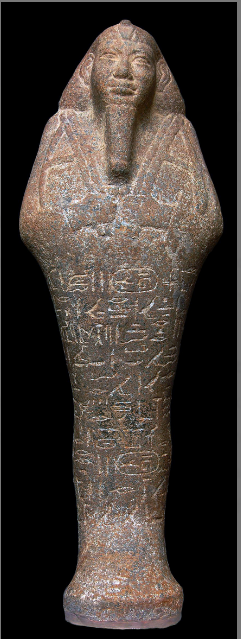
King Piye, also known as Piankhi, ruled from 744 to 714 BC and was a powerful Nubia monarch who successfully united Egypt under the 25th Dynasty
King Piye (Pankhi)
Piye, known for his military conquests and subsequent reunification of Egypt, played a significant role in the preservation of Egyptian traditions. His reign is marked by a resurgence of monuments and temple construction, demonstrating not just a continuation of Egyptian culture, but a vibrant evolution of it influenced heavily by Nubian traditions. Similarly, Taharqa, a king who was revered in both Egyptian and Nubian contexts, commissioned several monumental edifices, including temples that are celebrated for their artistic and architectural brilliance. However, both Piye and Taharqa have often been relegated to the margins of Egyptian history, overshadowed by accounts that dismiss their contributions as illegitimate interruptions rather than integral parts of the cultural fabric.
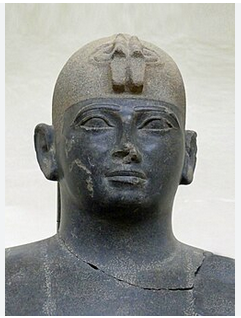
Taharqa, Pharaoh of the Twenty-fifth Dynasty of Egypt (r. 690 to 664 BC
Taharqa
Again, the phenomenon—often referred to as the ‘whitewashing’ of Egyptian identity—has roots in both colonial perspectives and earlier Eurocentric scholarship. The visual and cultural representation of ancient Egyptians in museums, educational materials, and scholarly works has frequently favored Mediterranean or European features, even in the face of evidence that illustrates a much richer and nuanced ethnic diversity, including depictions of darker-skinned individuals.
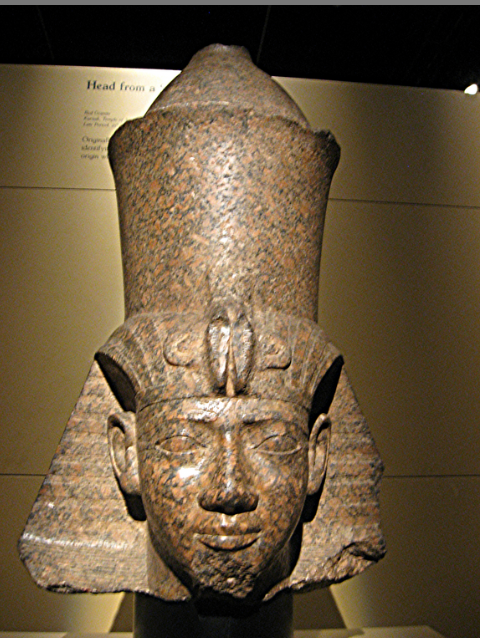
Shabaqo was the third Nubian Pharaoh of the Twenty-fifth Dynasty of Egypt, who reigned from 705 to 690 BC.
Shabaqo
Shabaka, also known by his throne name Neferkare, reigned as a Nubian pharaoh of Egypt’s 25th Dynasty from approximately 705 to 690 BC. He succeeded his uncle Shebitku and consolidated Nubian control over much of Egypt, notably centering power in Memphis and promoting religious restoration and archaism.
From early depictions in art to contemporary representations, the portrayal of ancient Egyptians has been skewed toward a more ‘acceptable’ Eurocentric image. A poignant case that highlights this suppression is the qustul incense burner, an artifact originating from Nubia. The qustul incense burner predates many symbols associated with the early dynastic period of Egypt and serves as a testament to the ceremonial practices that were prevalent in Nubian culture. However, early scholars downplayed or outright ignored this evidence, favoring the narrative that Egypt developed in isolation from its African roots. This deliberate oversight has had lasting implications on how the history and identity of ancient Egyptians are understood today.
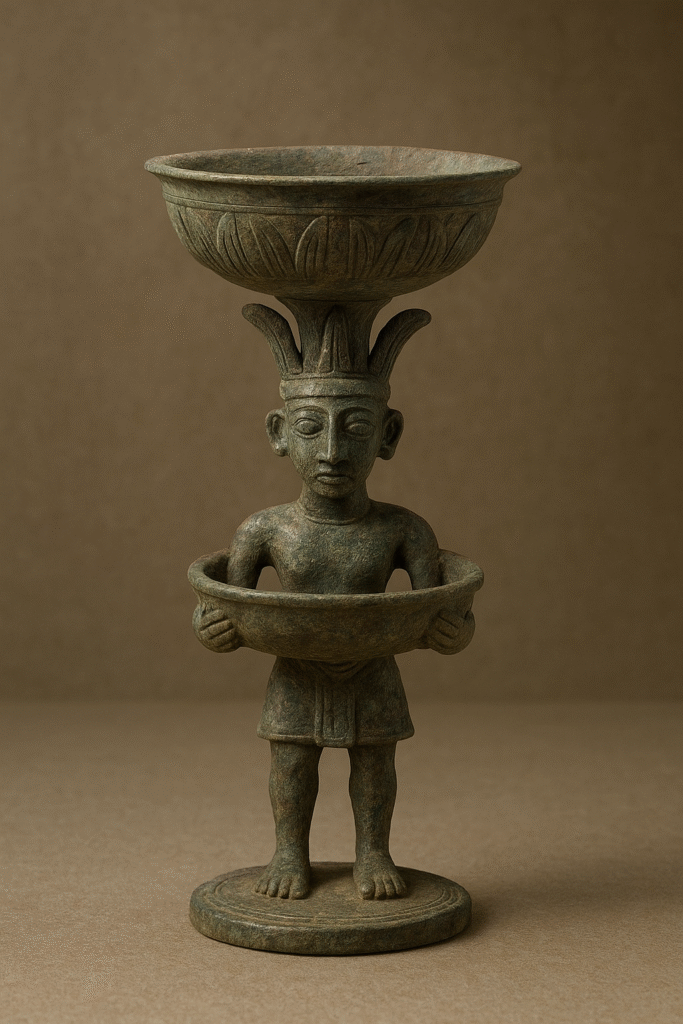
The Qustul incense burner
The reluctance to acknowledge the influences from sub-Saharan Africa is evident not just in artifact interpretation but also in academic literature, which at times disregards substantial evidence of interconnections between these regions. The impact of this misrepresentation extends beyond academic inquiry; it influences public perception and understanding of African history as a whole. The portrayal of ancient Africans primarily as outsiders interacting with ancient Egypt risks undermining the rich and complex heritage that is deeply rooted within the African continent. This narrative often simplifies the identity and contributions of the indigenous populations of ancient Egypt, largely ignoring the fact that they were Africans themselves, with a vibrant culture that predates many of the interactions often highlighted in historical accounts.
Nubian Influence on Egypt
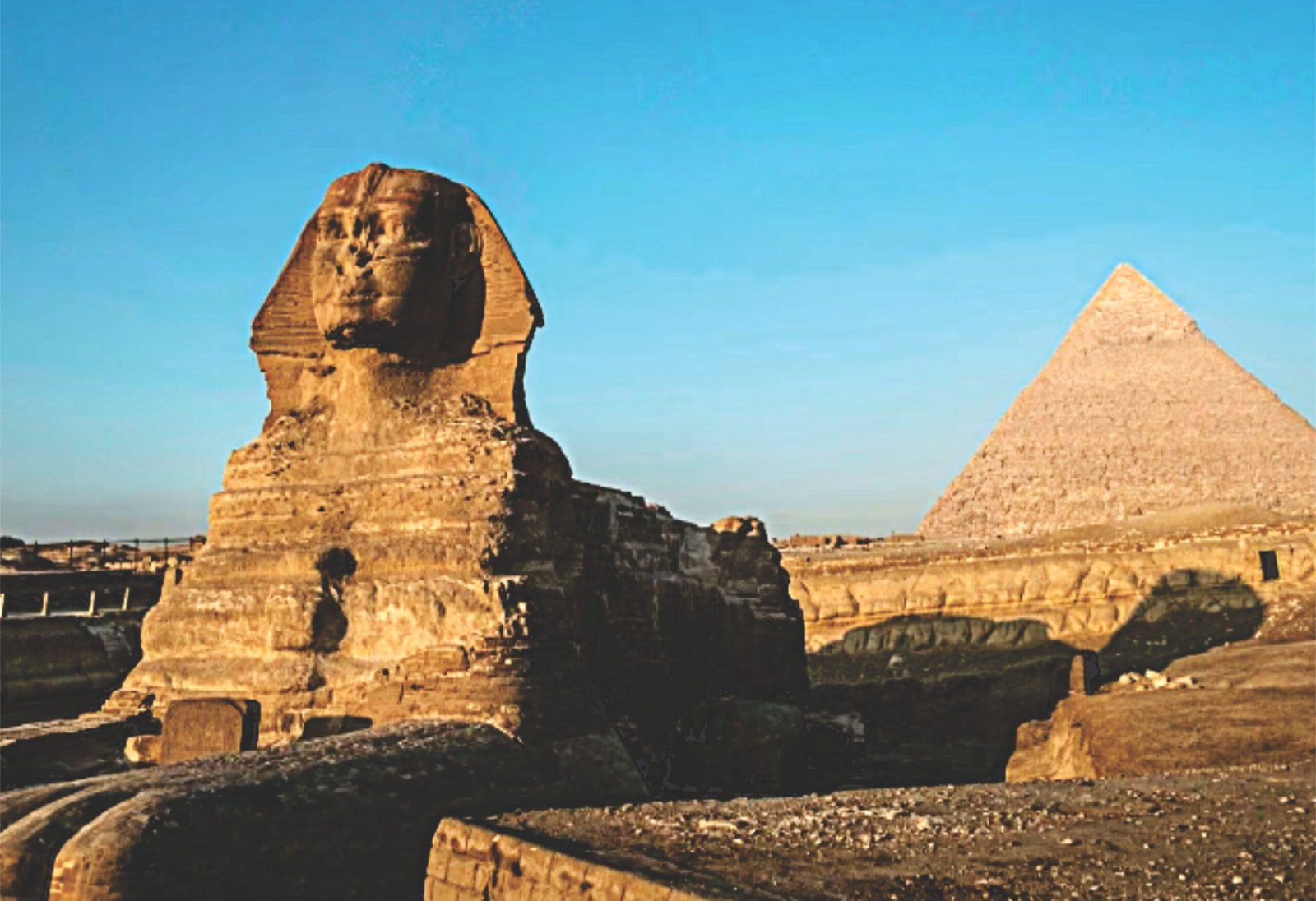
Nubia, a region located to the south of Egypt, has been historically significant due to its rich cultural heritage and its role as a vital player in the ancient history of the Nile Valley.


 Adinkra Admin