








Before Egypt: The A-Group & Predynastic Egypt
The archaeological record presents compelling evidence that the early Nile Valley civilizations, particularly in the regions we now identify as predynastic Upper Egypt and Nubia, were born from local African populations. Excavations across these areas have uncovered a wealth of artifacts, burial sites, and settlement remains that speak not only to the daily lives of these ancient communities but also to their cultural practices, social structures, and interactions with neighboring societies.
For instance, the Naqada culture, which thrived from around 4000 to 3000 BCE, is a cornerstone of new understanding of predynastic Egypt. Artifacts such as pottery, tools, and beautifully crafted jewelry illustrate a sophisticated society with beliefs, rituals, and trade networks. The burial practices, including the construction of elaborate tombs, indicate an important spiritual dimension to their lives, highlighting their connection to ancestors and the afterlife. The artifacts from this period showcase the ingenuity and creativity of African artisans, demonstrating a continuity of cultural development rather than a sudden emergence of civilization due to external influences.
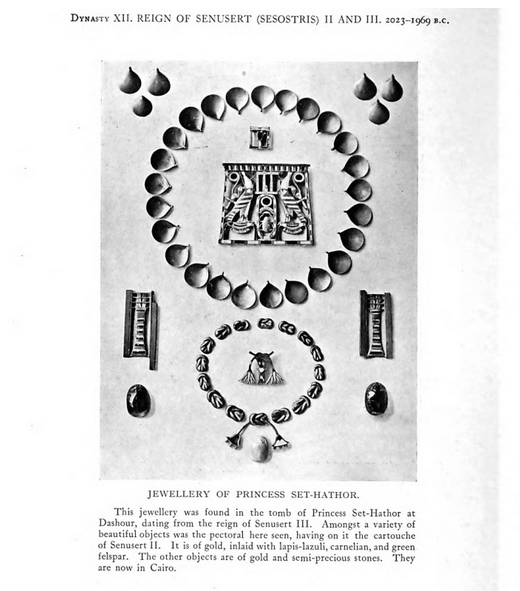
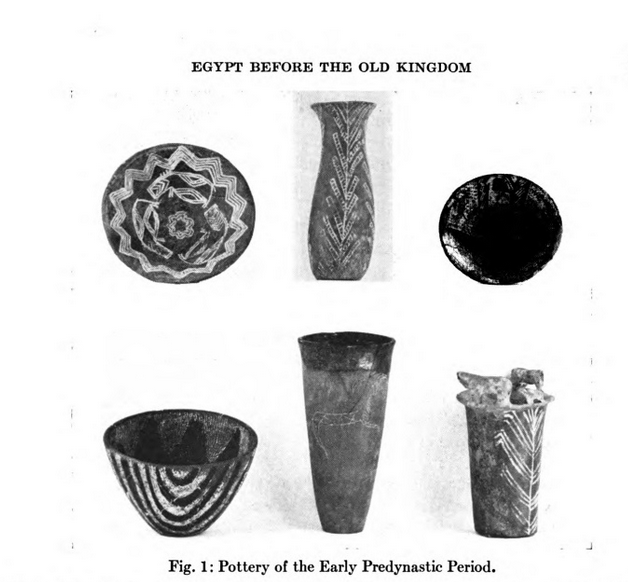
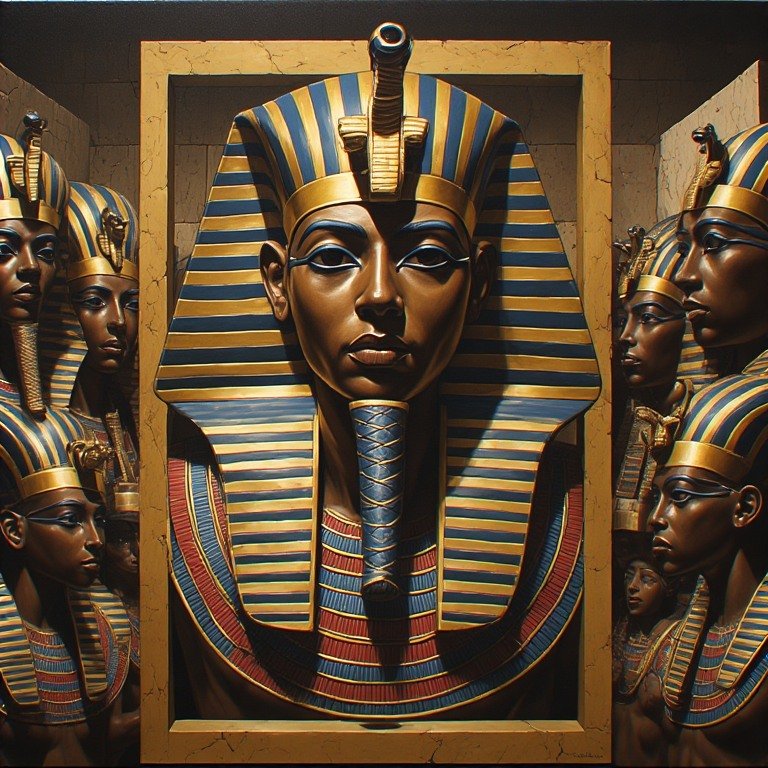
Image Credit: Book – Ancient Egyptian works of art, by Arthur Weigall
Anthropological studies confirm that the populations inhabiting the Nile Valley during predynastic times were fundamentally Africans. Analysis of skeletal remains from burial sites across Upper Egypt and Nubia supports this claim, revealing distinctive physical characteristics that are consistent with those found in modern African populations. This biological continuity reinforces the idea that the people who laid the groundwork for Egyptian civilization were not outsiders but rather the descendants of long-established African communities who derived their identity from the land, the resources, and the shared cultural heritage of the continent.
Genetic evidence adds another layer to this narrative. Studies focusing on ancient DNA extracted from remains in Egypt and Nubia have shed light on the genetic makeup of these populations. The findings indicate that the early inhabitants were closely related to sub-Saharan African groups, affirming their African origins. This continuity underscores the complexity of migration patterns and interactions across Africa, as well as the significant role that these early communities played in the development of agriculture, language, and trade that would be fundamental for the entire continent.
Delving deeper into the relationship between predynastic Egypt and the broader African context, it becomes clear how geographical factors influenced the rise of these early civilizations. The Nile River, serving as a lifeline, provided fertile land which enabled agricultural production, thus sustaining growing populations. The river not only facilitated trade and communication but also nurtured a sense of unity among diverse groups, fostering a shared identity rooted in African traditions. The assertion that the proto-kingdoms of predynastic Egypt were African is supported by a convergence of archaeological, anthropological, and genetic evidence. The civilizations that emerged along the Nile were born from the African landscape, embodying the rich heritage and cultural practices of its people. Understanding this connection is essential not only for the study of ancient Egypt but also for recognizing the dynamic and interconnected history of Africa as a whole as the legacy of these early African societies continues to resonate today.
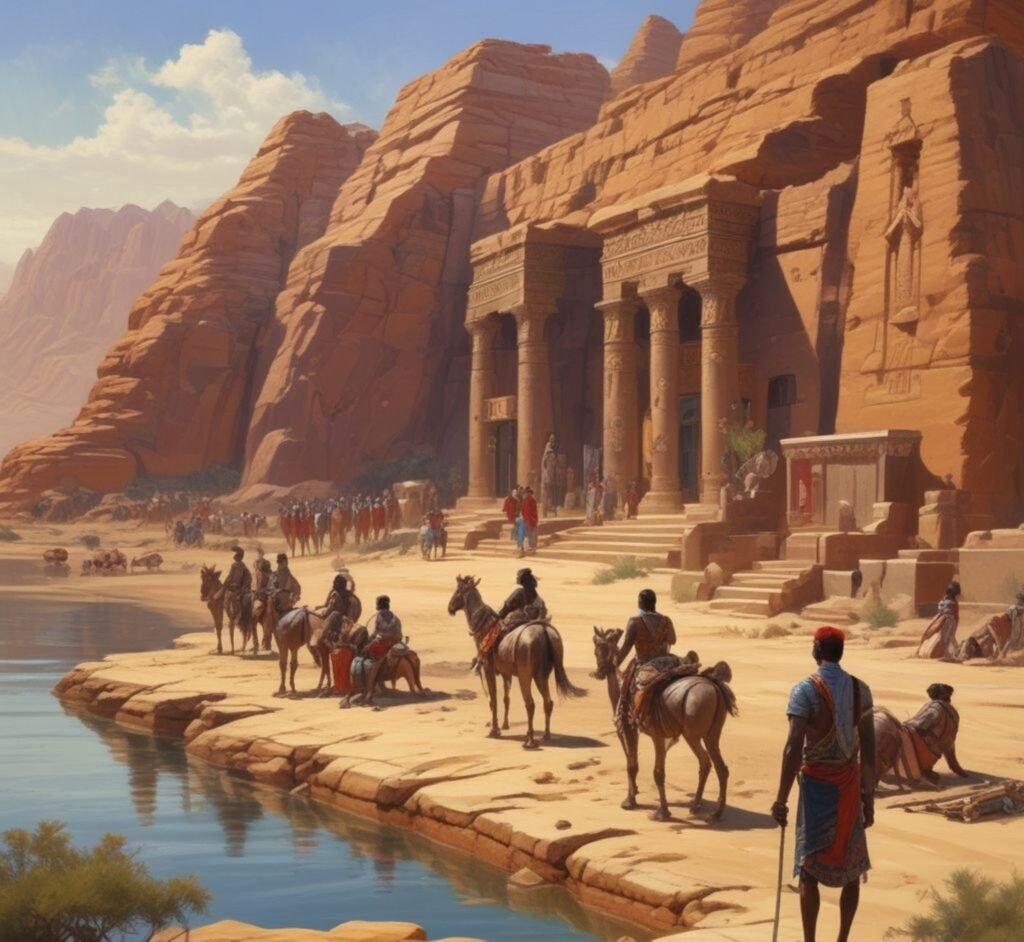
At the heart of Kerma was its capital city, also named Kerma, in Nubia, which was distinguished by its monumental architecture. The most striking features of the city included the massive mud-brick structures known as deffufa. These temples and large public buildings not only served religious purposes but also functioned as symbols of the kingdom’s authority and organizational capacity. The deffufa temples, characterized by their distinctive stepped platforms, were integral to the city’s ritualistic landscape and illustrated the advanced understanding of architecture and construction methods held by the Kerma people.
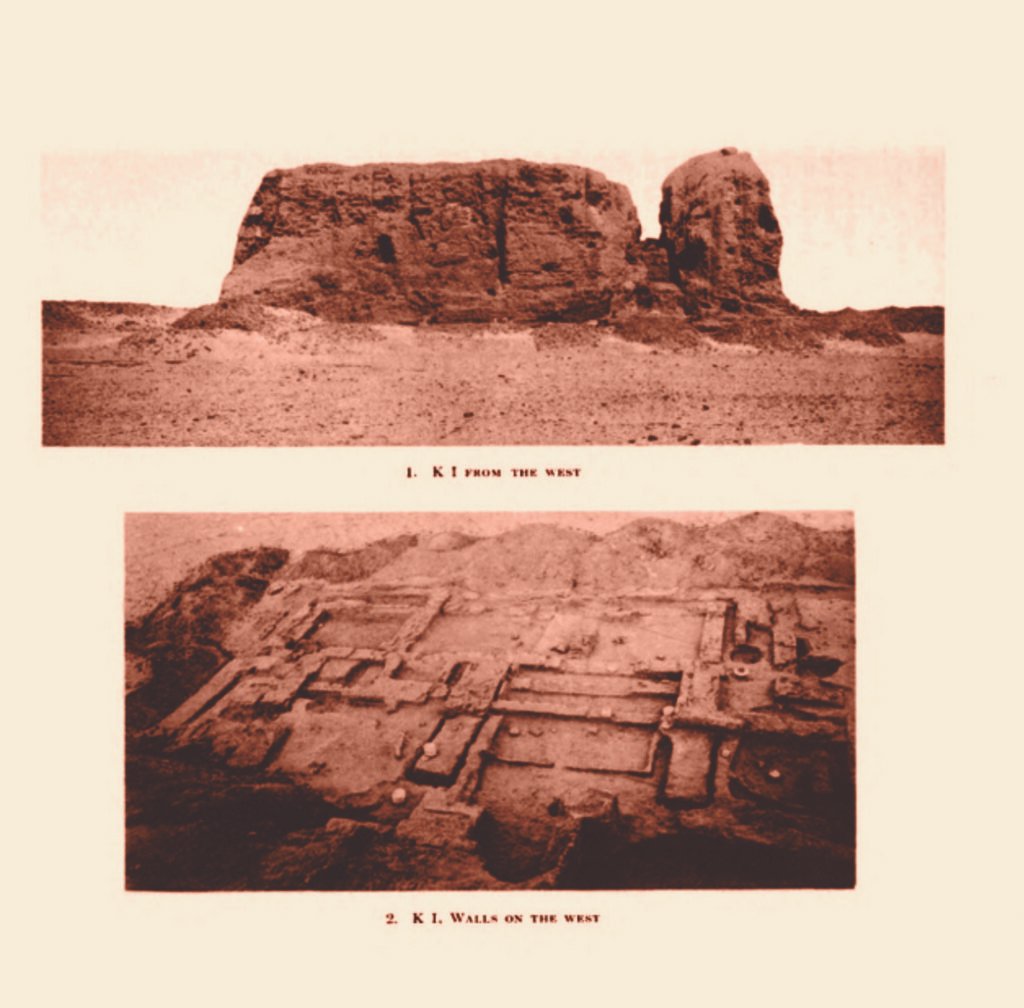
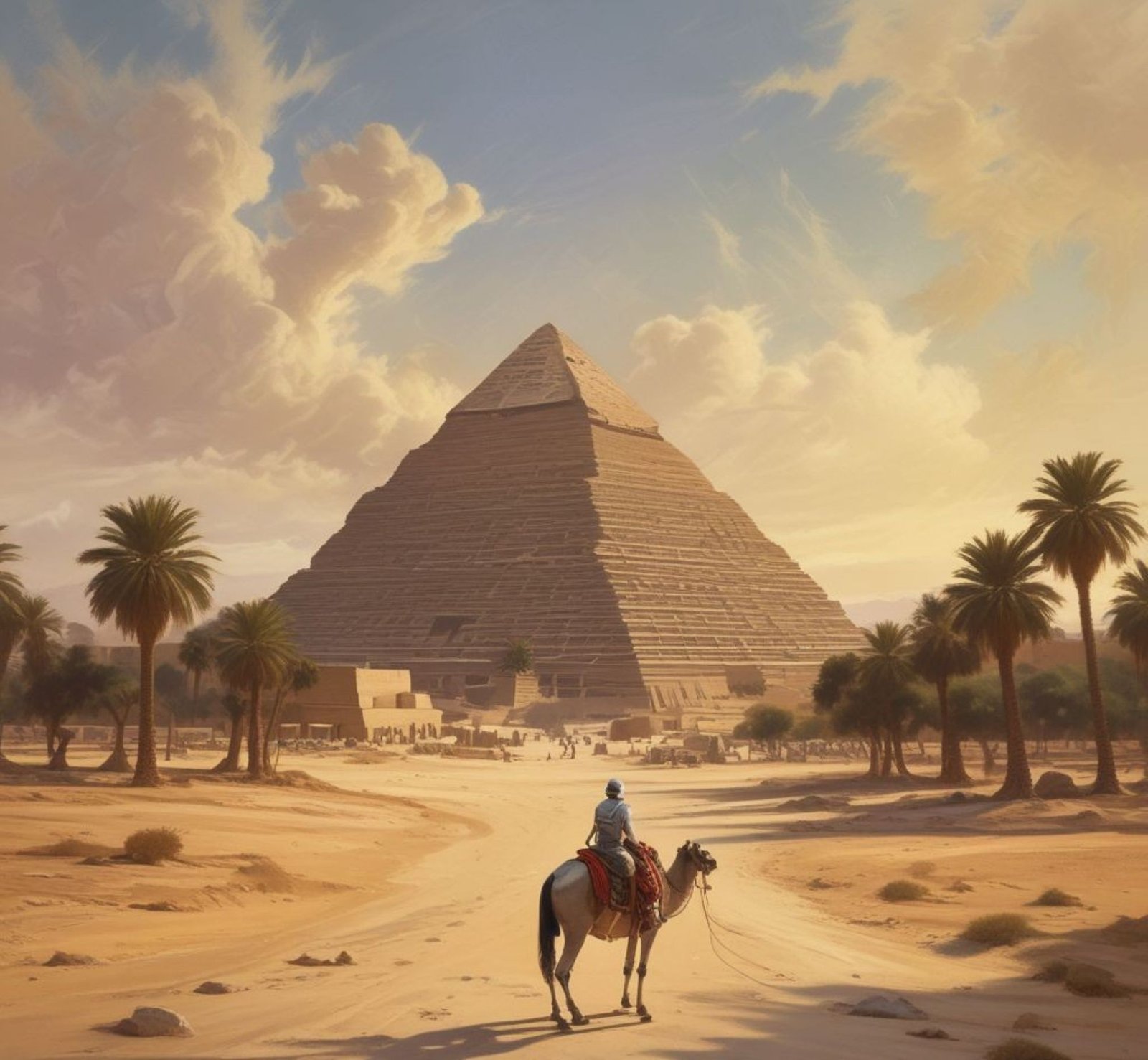
Image Source: Excavations at Kerma by Reisner, George Andrew, 1867-1942.
Archaeological evidence reveals that Kerma was characterized by centralized authority. The construction of monumental structures suggests that the society was organized under a powerful leadership that could mobilize resources and labor on a grand scale. This centralization was critical in managing the kingdom’s affairs, which included the coordination of agricultural production, defense, and trade. The presence of elite burial sites, such as the royal cemetery of Kerma, points to a complex social structure in which kings and elites were buried with elaborate artifacts, indicating their high status and the perceived continuity of their power.
Trade played a pivotal role in Kerma’s development. Positioned between the resources of sub-Saharan Africa and the Nile Valley, Kerma became a bustling hub for commerce. It facilitated the exchange of goods including gold, ivory, and exotic commodities, which were highly valued by neighboring cultures. This trade network not only bolstered Kerma’s economy but also enhanced its political influence in the region. The robust exchange of goods and ideas contributed to the kingdom’s wealth and made it a critical player on the African continent.
Kerma is also noted for its advanced metallurgy. The artisans of Kerma were skilled in working with metals, particularly bronze and gold, which played an essential role in crafting tools, weapons, and jewelry. This expertise in metallurgy underscored the kingdom’s technological advancements and contributed to its economic prosperity. The production of high-quality metal goods allowed Kerma to maintain a competitive edge over its neighbors.
As the Predynastic period progressed, the unification of the various cultural and political entities along the Nile began to take shape, setting the stage for the later Dynastic period which introduced a centralized government and iconic pharaonic rule. This unification was not merely a political achievement but a profound cultural revolution that integrated diverse customs and practices, influencing art, religion, and governance. Predynastic Egypt represents a pivotal chapter in human history, characterized by agricultural innovation, social stratification, and complex political structures. The centers of Naqada, Hierakonpolis, and Abydos underscore the significance of Upper Egypt in the formative stages of civilization along the Nile Valley, ultimately leading to the rise of one of the most enduring cultures of the ancient world.
Skeletal studies conducted on remains from the Naqada, Badari, and early Abydos cemeteries have revealed intriguing features that align closely with other northeastern African populations. This research adds a significant layer of understanding concerning the demographic and biological continuity across regions during the predynastic period. The examination of skeletal remains allows researchers to draw conclusions about the health, lifestyle, and lineage of ancient peoples, which in turn informs understanding of interactions between ancient Egypt and Nubia. One of the primary conclusions from these studies is that there was significant biological continuity between Upper Egypt and Nubia during the predynastic period. This continuity suggests that rather than distinct populations emerging in isolation, the inhabitants of these regions were likely part of a broader group of Northeast African populations, exchanging genes, culture, and ideas. Such interactions typically occur in regions where environmental and social factors encourage migration and integration.
Focusing on these areas, researchers have noted specific cranial and dental features that are remarkable for their consistency across the analyzed skeletal remains. This includes particular measurements of skull shapes, dental wear patterns, and overall stature which reinforce the idea of a common ancestral lineage that extended across the Nile and into regions southward. These insights have profound implications for the understanding of the interactions between Upper Egypt and Nubia. They provide evidence that predynastic societies were not merely isolated groups but engaged in active exchanges that would later influence the formation of ancient Egyptian civilization. The presence of similar skeletal features suggests a shared ancestry and highlights the interconnectedness of these early populations.
Genetic analyses indicate that the populations of Upper Egypt and Nubia shared a close relationship, underscored by a robust sub-Saharan African ancestry. This connection reveals not just a shared geographic space but also deep cultural and social ties that have persisted through millennia. The genetic markers present in the DNA of Upper Egyptians exhibit signatures characteristic of these African populations, indicating that their roots are firmly embedded within the African continent. This suggests that the formative stages of ancient Egyptian civilization were influenced significantly by indigenous African peoples, whose contributions to culture, technology, and society laid the groundwork for subsequent developments.


 Adinkra Admin