









Dynastic Egypt – The Pharaonic Era
The Pre-dynastic System
The evolution of Ancient Egypt from its pre-dynastic roots to the establishment of the pharaonic system epitomizes one of history’s most remarkable transitions. During the pre-dynastic period, which spanned from approximately 5000 BCE to 3100 BCE, Egypt was characterized by a collection of localized proto-states, each governed by its own leaders or kings. These, independent communities were often isolated from one another, with their own customs, traditions, and systems of governance.
Agriculture predominantly shaped their economies. The agricultural surplus created by the Nile allowed for population growth and fostered the development of more complex social structures. However, the existence of numerous localized states often led to competition and conflict over resources, land, and trade routes. Leadership within these nomes was predominantly hereditary, with authority typically passed down through established and prominent families or clans. As a result, the role of leadership was often inherited, allowing certain families to maintain power and influence within their territories across generations. The leaders, commonly referred to as chieftains, were central figures in their communities. Although the term “nomarch” would later be formalized to describe these leaders, it is important to recognize that in the early periods of Egyptian history, governance in nomes was more informal and varied considerably from one region to another.
The fragmented nature of these nomes meant that there was no single, overarching king to rule over all of Egypt. Instead, Upper and Lower Egypt were politically separate entities, each with its own distinct governance and social structures. This political division allowed for a rich tapestry of cultural practices and regional identities to flourish, as each nome developed its customs, religious practices, and economic systems independent of its neighbors.
During the final stage before the establishment of dynastic Egypt, approximately between 3200 and 3100 BCE, a series of powerful rulers from Upper Egypt sought to expand their influence over the Nile Valley, setting the stage for a unified kingdom. Among these key figures, two stand out prominently: King Scorpion II and King Ka, each contributing significantly to the evolving political landscape of ancient Egypt.
King Scorpion II, synonymous with authority and prowess, is often regarded as one of the most formidable kings preceding Narmer, the first pharaoh of a unified Egypt. His reign is closely associated with Hierakonpolis, an important early political and cultural center that served as a hub for the burgeoning complexities of early Egyptian society. King Scorpion II’s initiatives likely expanded the agricultural capacity along the Nile, which in turn fortified his power base.
Additionally, King Scorpion II is often depicted in iconography and artifacts portraying him in triumph, illustrating his military successes and territorial claims. This visual legacy underscores his role in establishing Upper Egypt’s dominance and influence over competing regions that would later be instrumental in the unification of Egypt.
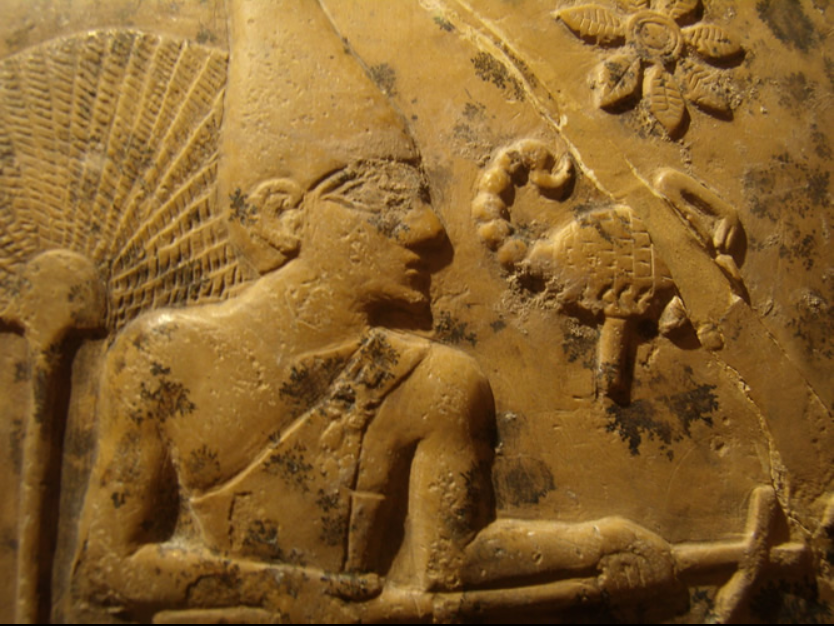
King Scorpion II
Image Source: Wikipedia
Following closely in historical significance is King Ka. Like King Scorpion II, he played a pivotal role in expanding Upper Egyptian control, particularly towards the fertile Nile Delta region. Evidence suggests that King Ka was not only a military leader but also a competent diplomat, fostering trade relations and asserting political control over these northern territories. The extent of trade and political influence exercised by King Ka signifies a crucial development in the interaction between the Southern and Northern cultures of ancient Egypt. His contributions helped to solidify trade routes and foster relationships with communities along the Nile, effectively knitting together a diverse group of peoples into a single cultural fabric.
Both King Scorpion II and King Ka exemplify the dynamic leadership that emerged in Upper Egypt during this transformative period. Their efforts not only facilitated territorial expansion but also laid the groundwork for the later unification of Egypt, an event that would mark the dawn of dynastic rule. As these kings pushed northward, they not only extended their influence but also paved the way for the cultural and political innovations that would characterize ancient Egyptian civilization for centuries to come.
The Pharaonic System
As time progressed, around the end of the pre-dynastic period, the political landscape began to shift dramatically. The need for greater cooperation and unity became increasingly evident, especially in the face of external threats and internal strife. It was during this transitional stage that powerful leaders began to emerge, uniting various tribes and clans under stronger centralized authority.
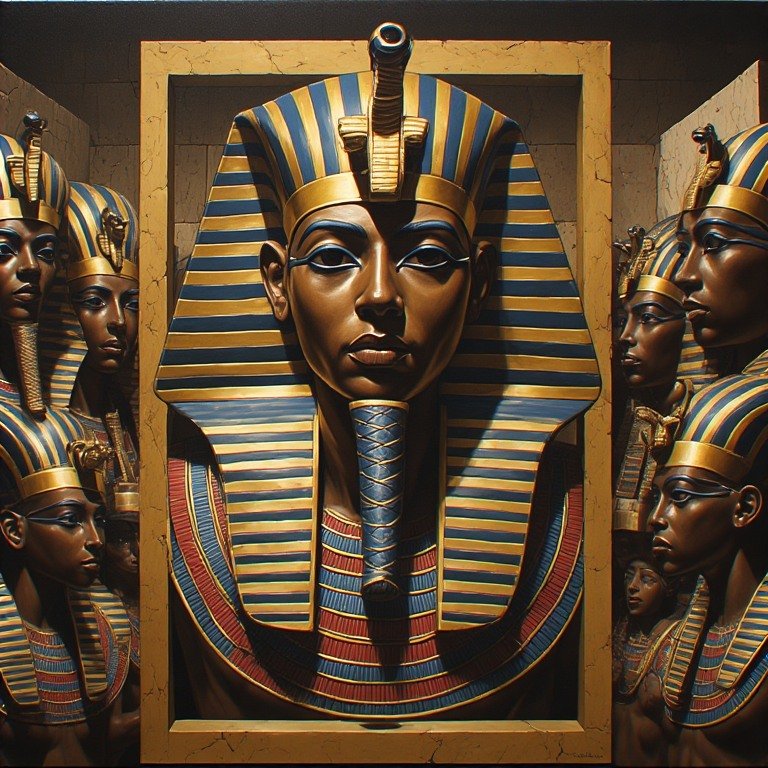
The culmination of these efforts was the unification of Upper and Lower Egypt around 3100 BCE, traditionally attributed to King Narmer (also known as Menes). This pivotal moment marked the initiation of the pharaonic system, a transformative governance model that centralized authority and unified the entire Nile Valley under a single ruler. The pharaoh was not merely a political figure; he was seen as a god on Earth, embodying divine authority and often credited with maintaining maat—the ancient Egyptian concept of truth, balance, and cosmic order.
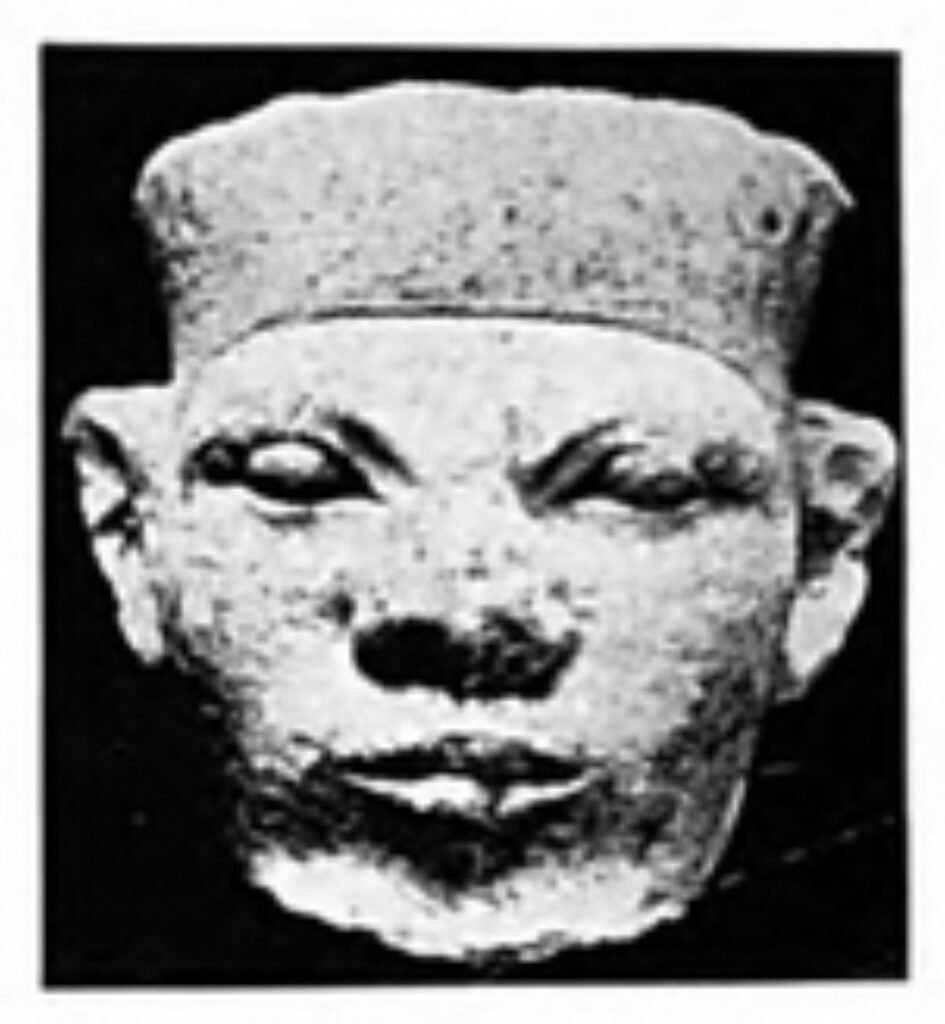
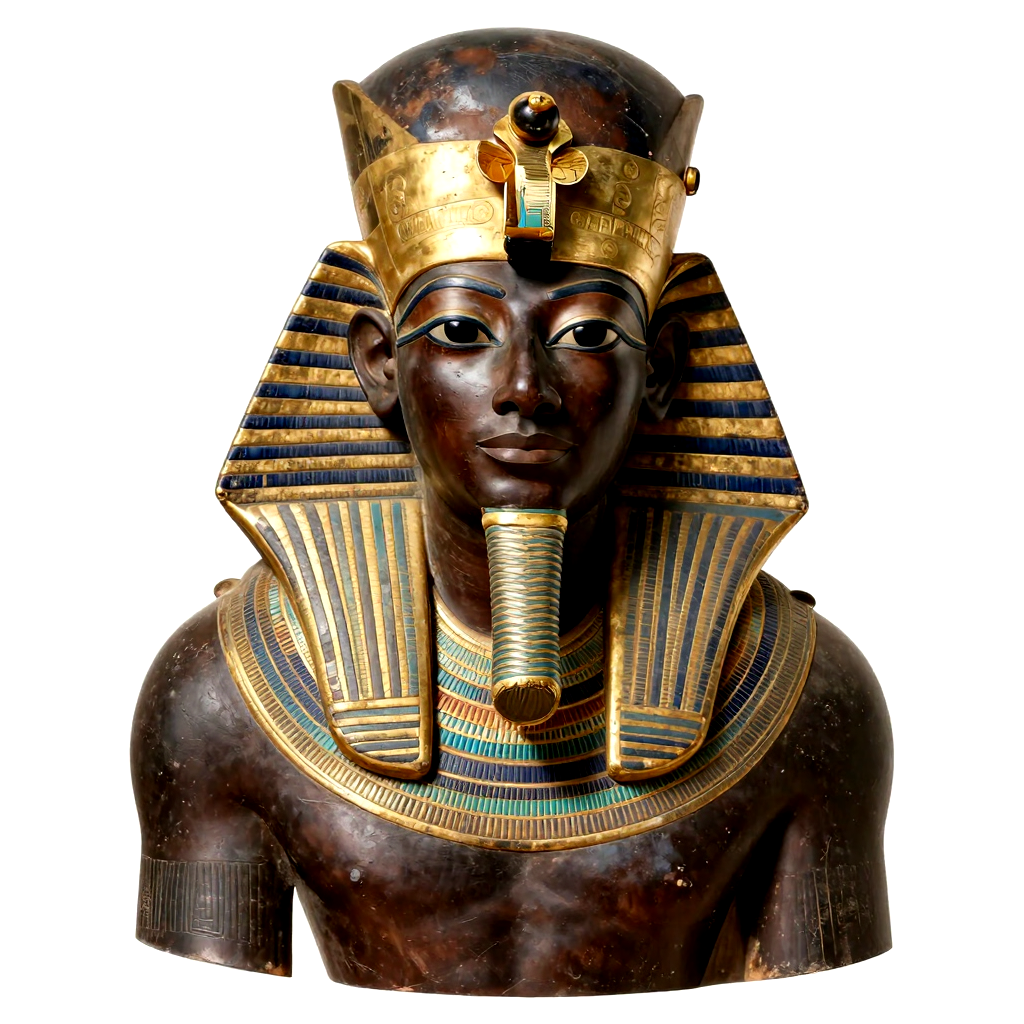
Narmer was an ancient Egyptian king of the Early Dynastic Period, whose reign began at the end of the 4th millennium BC. He is believed to have been the successor to the Protodynastic king Ka.
Image Credit: Ancient Egyptian works of art, by Arthur Weigall … v. 1
Under the pharaonic system, Egypt witnessed the emergence of a highly organized state structure. The kingdom was administratively divided into nomes (provinces), each overseen by a nomarch, who was responsible for local governance and taxes. This administrative division allowed for more efficient management of resources and enhanced the control of the central government.
The pharaoh’s role extended beyond mere governance; he was also a pivotal figure in religion. The religious belief system deeply intertwined with governance meant that the pharaoh was both a political ruler and a spiritual leader, responsible for maintaining favor with the gods through rituals and building monumental temples. This connection reinforced the government’s authority and legitimized the pharaoh’s rule.
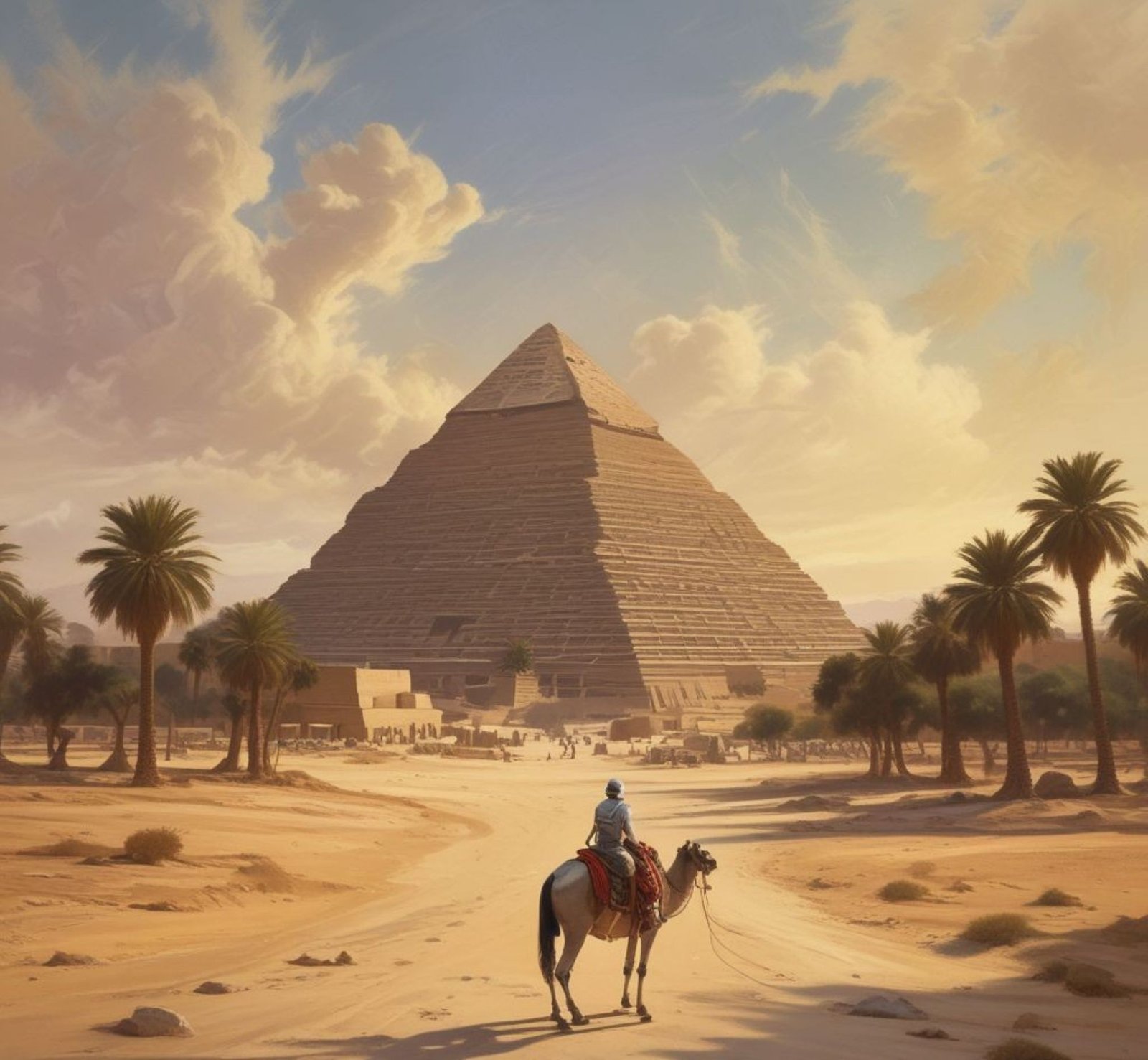
Culturally, the unification under the pharaonic system ushered in a rich tapestry of art, architecture, and writing. The unification allowed for greater cultural exchange among regions, leading to the establishment of a more cohesive identity among Egyptians. Monumental architecture, such as the pyramids and temples, became symbols of the pharaoh’s power and the civilization’s achievements.
The unification of Egypt into a singular state had profound effects on its society. Trade routes expanded, facilitating commerce and cultural exchange not only within Egypt but also with neighboring regions. The centralized economy allowed for better resource distribution and investments in monumental construction projects that reflected the state’s glory and stability.
The transition from localized proto-states to the monumental Pharaonic system was a defining chapter in Egypt’s history. It symbolized the birth of a powerful, unified state that would endure for millennia, shaping the political, cultural, and religious landscape of ancient civilization. The pharaohs navigated the complexities of governance, religion, and culture as they united the diverse peoples of the Nile Valley into one of the world’s most iconic ancient kingdoms.
Before Egypt: Predynastic Period Predates the Arab Migrations into Egypt by Thousands of Years. (Previous Reading)
The Power of the Pharaohs and Impact on the World in Ancient Egypt (Next Reading)


 Adinkra Admin