










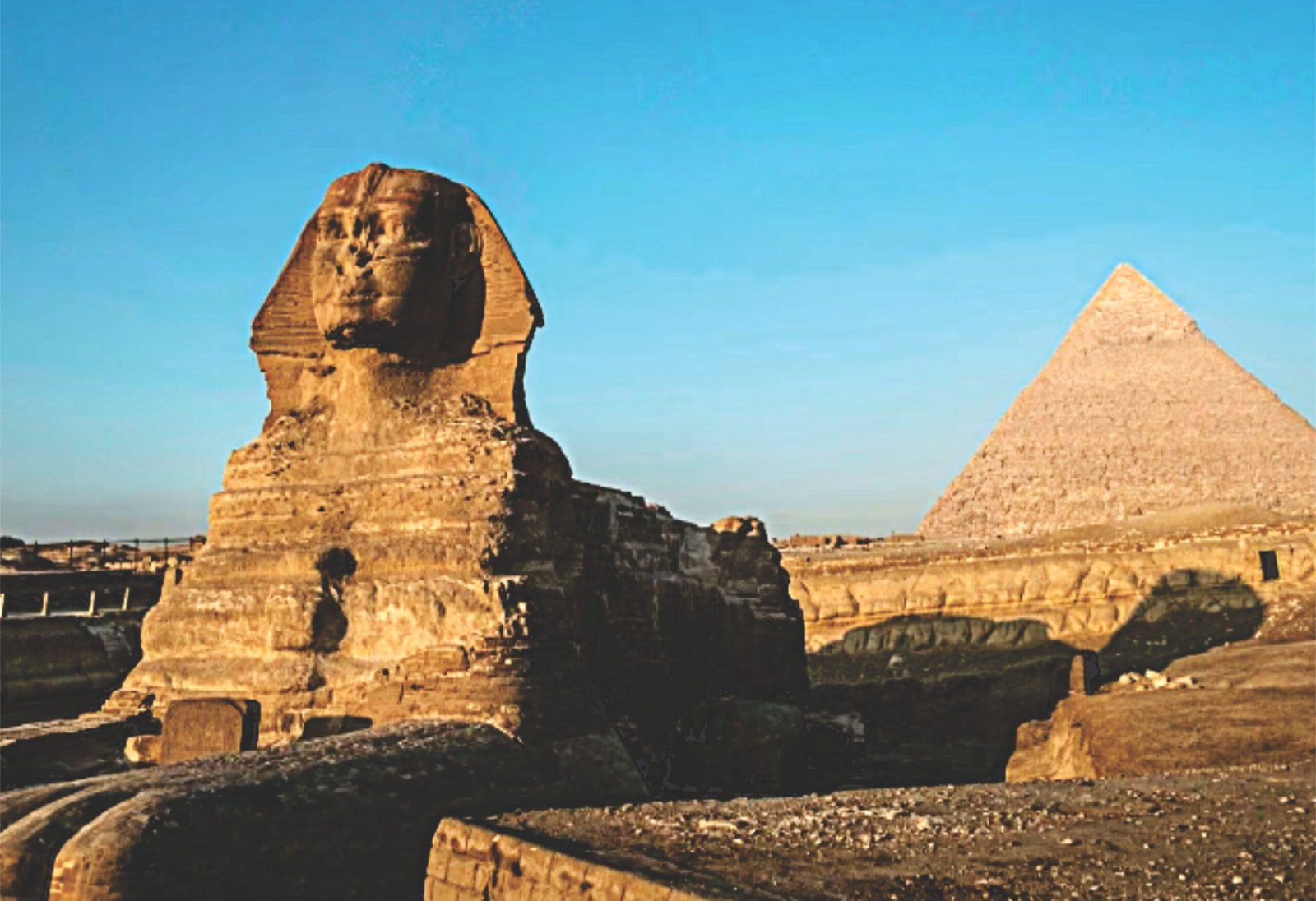
Development of Writing and Knowledge by the Early Egyptians
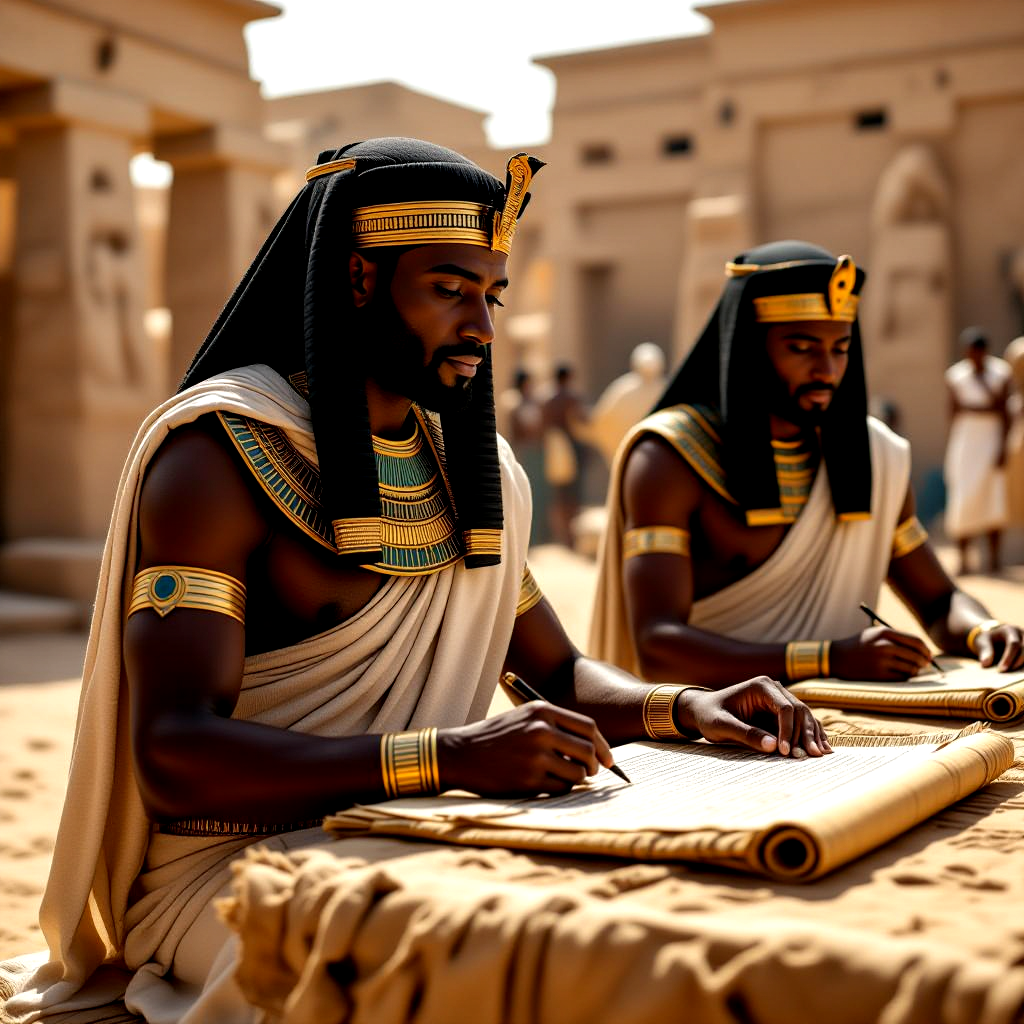
EARLY NEED FOR RECORD KEEPING IN ANCIENT EGYPT
Long before the emergence of the artistic hieroglyphic system, simple markings on pottery and stone tags served as vital precursors to writing. As social complexity grew, these foundational symbols evolved into the structured, artistic script that sustained Egyptian civilization for millennia. Early rulers developed these documentation systems primarily to maintain order, manage resources, and ensure economic stability through the tracking of food production and storage. Beyond land ownership and transactions, this early record-keeping was vital to religious life.
The development of the Egyptian hieroglyphs, stands as one of the earliest forms of writing in human history. This remarkable system served a multifaceted purpose, allowing the ancient civilization to communicate complex ideas, document their rich culture, and perpetuate their beliefs through the ages. Written across temple walls, tombs, monuments, and papyrus scrolls, hieroglyphs played an essential role in their society.
The system included over 700 symbols, illustrating a blend of phonetic sounds—much like an alphabet—and logographic elements that denoted entire words or significant concepts. This hierarchy of symbols enabled the Egyptians to articulate their thoughts in a sophisticated manner, providing a lasting legacy that modern scholars still strive to comprehend.
The Priests and Scribes
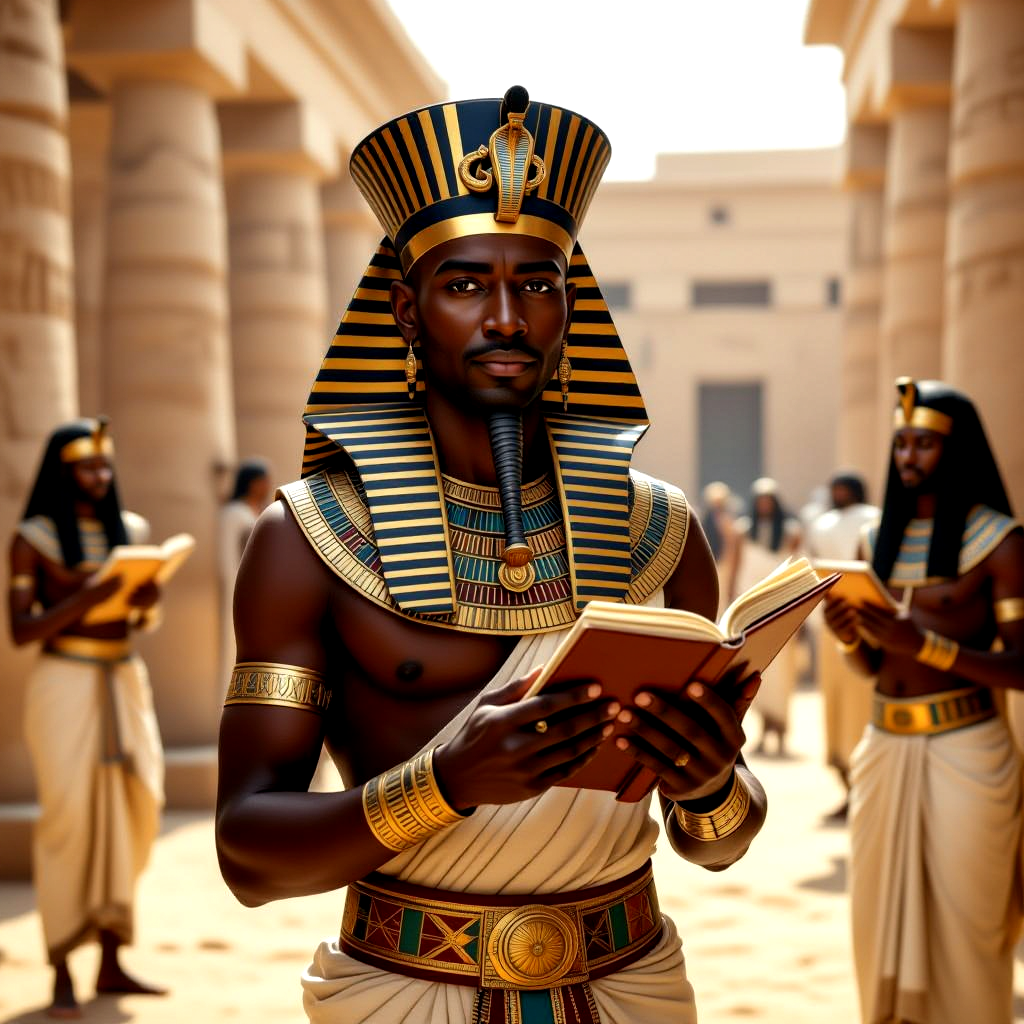
In ancient Egypt, the ability to read and write was a privilege reserved for a select few, as most Egyptians lacked these essential skills. The preservation and dissemination of this complex writing system were entrusted to a specific class of individuals: priests and scribes. Scribes were trained primarily in specialized schools known as “houses of life,” often associated with temples. These educated professionals held significant power in ancient Egyptian society, as they alone possessed the knowledge to read and write in hieroglyphs. Through rigorous training, they not only mastered the intricacies of the script but also understood the cultural and religious significance underpinning their use. This ensured that the ancient knowledge was carefully preserved and the wisdom shared only with those deemed worthy.
Scribes were far more than just writers; they were highly educated professionals proficient in mathematics for construction and taxation. Their understanding of astronomy was crucial for economic stability, allowing them to predict the Nile’s floods for agricultural planning. Furthermore, they held a key role in medicine, recording treatments to bolster public health. These diverse skills highlight that scribes were essential pillars of the entire societal knowledge system.
Hieroglyphs in Religious Texts
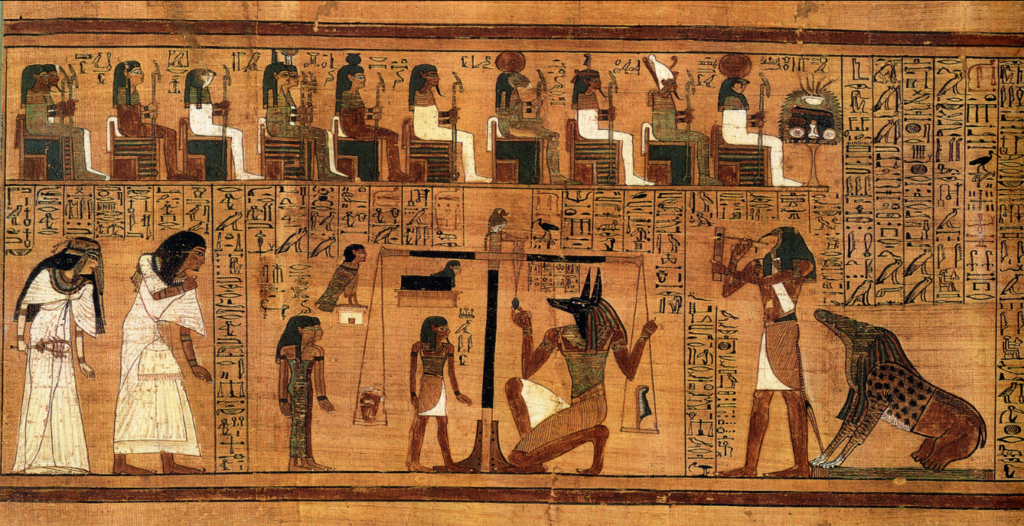
Image Source:
Wikimedia Commons digital archive
Religion served as a cornerstone of education and knowledge in ancient Egypt, intricately weaving itself into the very fabric of society. Priests, often regarded as the intellectual elite, dedicated their lives to the study of the divine, celestial phenomena, and the natural cycles of the earth. Their quest for understanding was not merely a quest for knowledge but a sacred duty that empowered them to interpret the universe’s mysteries and uphold moral order through their religious practices.
Theological exploration led to a sophisticated understanding of the vast pantheon of gods and goddesses, which played a crucial role in the daily lives of the ancient Egyptians and cosmology—how the universe was structured and functioned. The Egyptians believed that the heavens and the earth were interconnected; thus, studying celestial movements, such as the stars and planets, became essential for comprehending time, seasons, and agricultural cycles that dictated their very survival.
One of the most significant religious texts from this era is the Pyramid Texts, a collection of ancient inscriptions that were carved into the walls of royal tombs. The Pyramid Texts symbolized the Egyptians’ profound understanding of mortality and the spiritual journey. moral laws embedded within these texts reflected the societal values and ethical standards of ancient Egypt. The concepts of Ma’at, which encompassed truth, balance, and order, were central to Egyptian thought. Priests conveyed these principles through rituals designed to maintain harmony between the gods and humanity. Such teachings were not only religious mandates but also practical guidelines for daily living, reinforcing a moral framework that influenced both individual behavior and societal structure.
From Hieroglyphs to Papyrus and the Spread of Knowledge
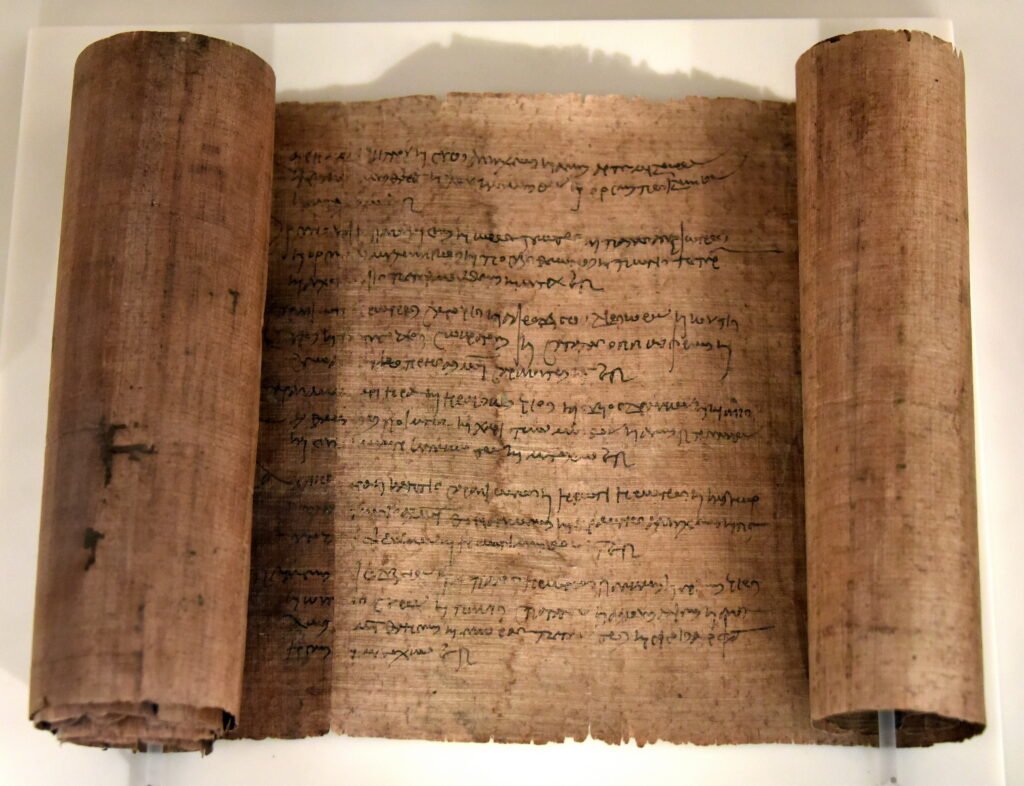
Image Source:
World History Encyclopedia
The ancient Egyptians were pioneers in the invention of writing materials that fundamentally transformed the way knowledge was recorded and disseminated. Among these innovations, the most significant was papyrus, a remarkable substance derived from the papyrus plant, which flourished along the banks of the Nile River. This versatile plant provided the Egyptians with an effective medium for writing, allowing them to capture and preserve information in various forms.
Before the dawn of Egypt’s first dynasty, a remarkable cultural evolution was already underway. The foundations of one of the ancient world’s most complex civilizations were being laid during this pre-dynastic period, a time characterized by burgeoning social hierarchies and the early experimentation with communication methods. Stone carvings, pottery inscriptions, and other forms of artistic expression began to reflect this growing inclination towards symbolic communication. This early writing system paved the way for a society organized by ranks and classes, with symbols emerging as both tools and markers of identity.
The introduction of papyrus had a profound impact on the Egyptian civilization, enabling the recording of diverse types of information. One of the primary uses of papyrus was for official government records. Administrative tasks, such as tax collection, land ownership, and census data, were meticulously documented on papyrus scrolls. This record-keeping was vital for maintaining the complex bureaucracy of ancient Egypt and ensuring that the society functioned smoothly.
Papyrus was made by processing the inner pith of the papyrus plant, which involved cutting it into thin strips, soaking them to make them pliable, and then layering these strips together to create sheets. This process resulted in a lightweight, durable material that could be rolled into scrolls or bound into books, making it ideal for both storage and transport of texts.
papyrus played an essential role in the preservation and dissemination of scientific knowledge. Scholars and scribes utilized this material to document findings in various fields, including mathematics, astronomy, and medicine. Texts that outlined medical practices, herbal remedies, and surgical techniques were recorded on papyrus, allowing future generations to benefit from the accumulated wisdom of their predecessors.
The spread of papyrus as a writing material facilitated a significant shift in how knowledge was shared across Egypt and, eventually, beyond its borders. As trade routes expanded and cultural exchanges flourished, papyrus made its way into neighboring regions, influencing the development of writing practices and materials elsewhere. This diffusion of papyrus established it as a cornerstone of literacy in the ancient world, situating Egypt at the heart of a burgeoning intellectual network.
Through Egyptian hieroglyphs, and the use of papyrus as a writing material, we gain a glimpse into the thoughts, beliefs, and narratives of one of history’s most captivating civilizations. The enduring legacy of these symbols continues to inspire countless generations, reminding us of the power of written language and its fundamental role in human history.
The Power of the Pharaohs and Impact on the World in Ancient Egypt (Previous Reading)
The Hyksos Takeover of Pharaonic Egypt (Next Reading)
Wilkinson, T. A. H. (1999). Early Dynastic Egypt. London: Routledge.


 Adinkra Admin