







Dynastic Egypt – After the Hyksos Expulsion
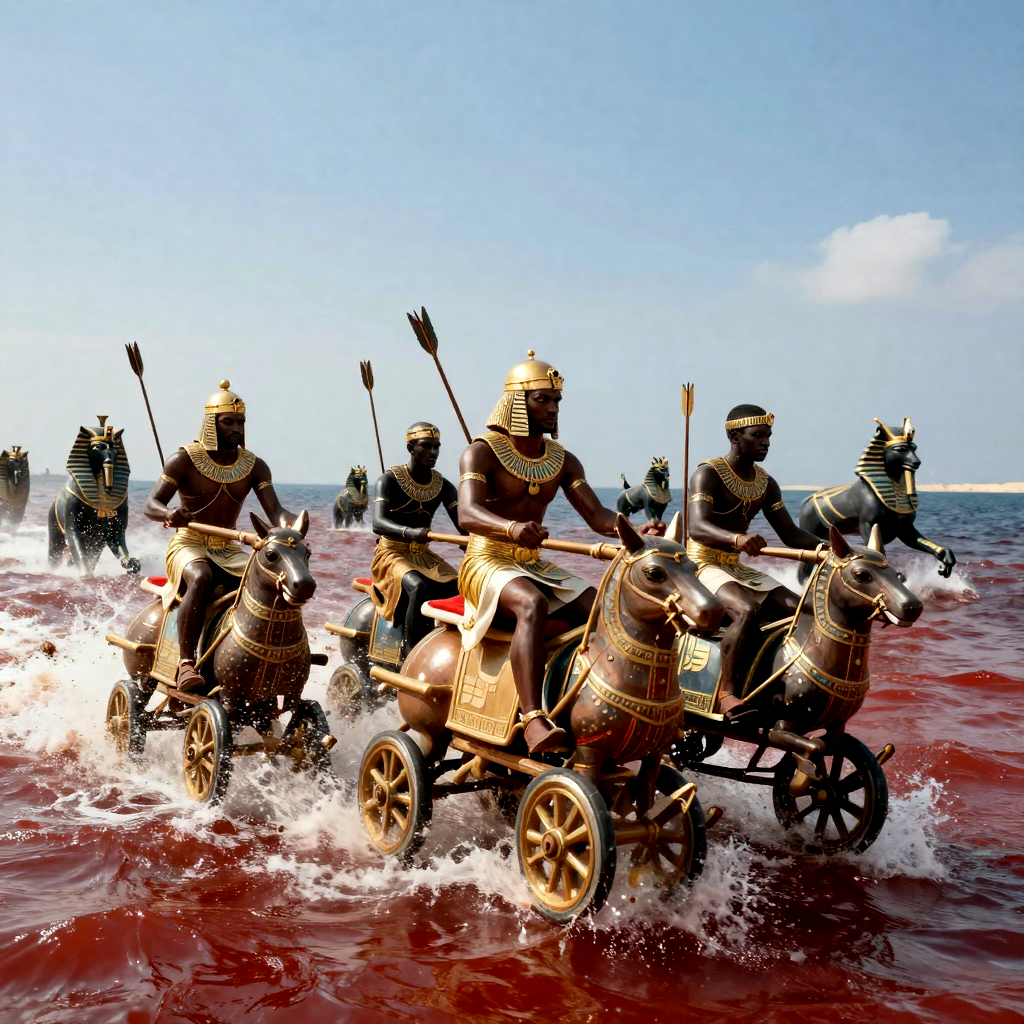
Ahmose I, heralded as the founder of the Eighteenth Dynasty. He initiated the New Kingdom era after expelling the Hyksos from Egypt. His reign marked the rebirth of ancient Egyptian power and unity, laying the groundwork for prosperity and territorial expansion. Ahmose I’s military campaigns revitalized Egypt, reclaiming lost territories and establishing a golden age that would be built upon by his successors. He reunited Upper and Lower Egypt around 1550 BC, establishing the New Kingdom. It was a time of immense prosperity that fostered unmatched achievements in art, architecture, and military power. Ahmose I’s military campaigns, characterized by strategic brilliance and valor, marked the resurgence of Egyptian sovereignty and ushered in a golden age by dismantling Hyksos influence. This inaugurated the New Kingdom—or Empire Period—a time defined by expansionist governance and the consolidation of foreign territories. This new era was driven by enhanced military tactics, most notably the adoption of bronze weaponry and chariots.
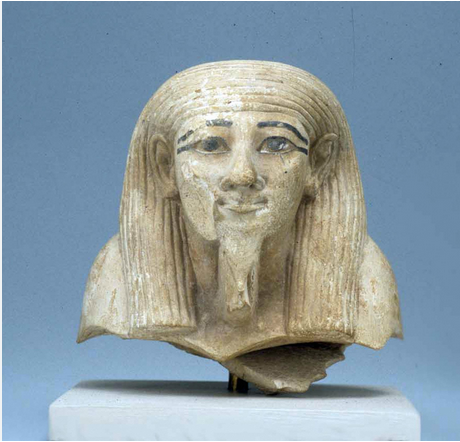
Ahmose I’s brilliant military campaigns dismantled Hyksos influence, restoring Egyptian sovereignty and ushering in a golden age. With the nation reunited, he established Thebes (modern Luxor) as the capital of the unified kingdom.
Image Credit:
Wikipedia images
Following in Ahmose’s footsteps, pharaohs such as Amenhotep I continued the legacy of conquest and revival. His reign saw Egypt’s borders extended further, and he is also credited with contributions to architectural advancements, including the expansion of temples dedicated to the gods. Amenhotep I’s reverence for divine patrons laid the foundation for the intricate relationship between the monarchy and the pantheon of Egyptian deities, a theme that would resonate throughout subsequent reigns.
The reclamation of land and resources allowed agricultural production to flourish, and trade networks expanded to encompass territories far beyond Egypt’s borders. Architecturally, the construction of grand temples, such as the Karnak Temple complex, illustrated not only religious devotion but also the wealth and artistic capabilities of the society. The Osirian cult and the worship of deities like Amun reached new heights. Pharaohs such as Hatshepsut, Thutmose III, and Ramses II commissioned remarkable monuments that remain a testament to the New Kingdom’s achievements.
Thutmose III, expanded Egypt’s borders to their greatest extent through military campaigns that resulted in an impressive array of tributes from conquered lands. His reign signaled the importance of military strength but also established diplomacy with powerful neighbors, securing peace treaties that benefited Egypt’s trade.
Thutmose III stands as a monumental figure in ancient Egyptian history, revered not only as the fifth/sixth Pharaoh of the 18th Dynasty but also as a formidable military leader and strategist. Regarded as one of Egypt’s greatest warrior-king, Thutmose III transformed the nation into a sprawling superpower through 17 successful campaigns and vast architectural undertakings. Among his many campaigns, the Battle of Megiddo in 1457 BCE stands out.
Note: Archaeological records and modern chronologies list him as the sixth rather than 5th ruler, incorporating Hatshepsut’s full reign as a distinct pharaonic period.
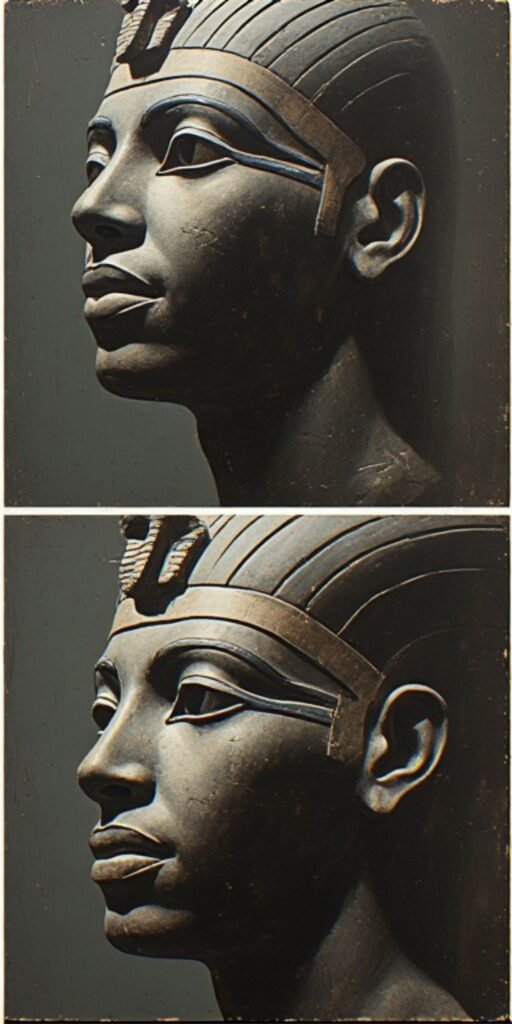
Ramesses II, often regarded as one of the most illustrious pharaohs of ancient Egypt, reigned for approximately 66 years, from around 1279 to 1213 BC. His tenure exemplified a period of unparalleled prosperity and military expansion during the New Kingdom, a time when Egypt reached the pinnacle of its power and influence in the ancient world. His military exploits, notably the Battle of Kadesh against the Hittites, showcased Egypt’s strength and influence, and the subsequent peace treaty is celebrated as one of the earliest known in history. Ascending to the throne at a young age, Ramesses II quickly became known for his ambitious building projects, military campaigns, and profound contributions to Egyptian culture. His reign was marked by extensive building projects, including the magnificent temples at Abu Simbel and the establishment of the Ramesseum in Thebes. His reign marked a golden age characterized by a remarkable stability and wealth that enabled vast undertakings in architecture and the arts. One of the most significant aspects of Ramesses II’s reign was his extensive military campaigns aimed at expanding Egypt’s boundaries and securing its interests in the region; further concluding Ahmose I’s narrative of glory.
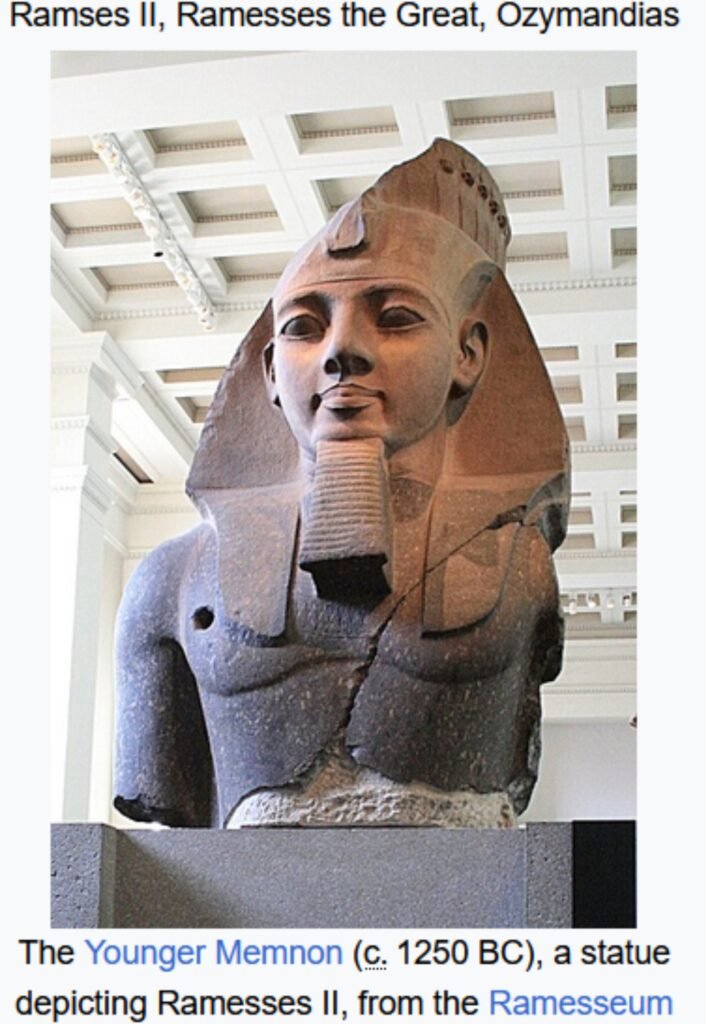
His reign was marked by significant military triumphs, a massive building program, and unprecedented diplomatic success. He built a new, grand capital city, Pi-Ramesses (or Per-Ramessu), in the Nile Delta, known for its beauty, gardens, and strategic location.
Image Credit: Wikipedia
Ramesses II reigned for approximately 66 years (c. 1279–1213 BC), a period marking the height of the New Kingdom’s prosperity and military reach. He led numerous campaigns to secure Egypt’s borders and was a prolific builder, commissioning more monuments than any other pharaoh. His most famous works include the Abu Simbel temples hewn into cliffs, the Ramesseum (his mortuary temple).
Image Credit: Wikipedia
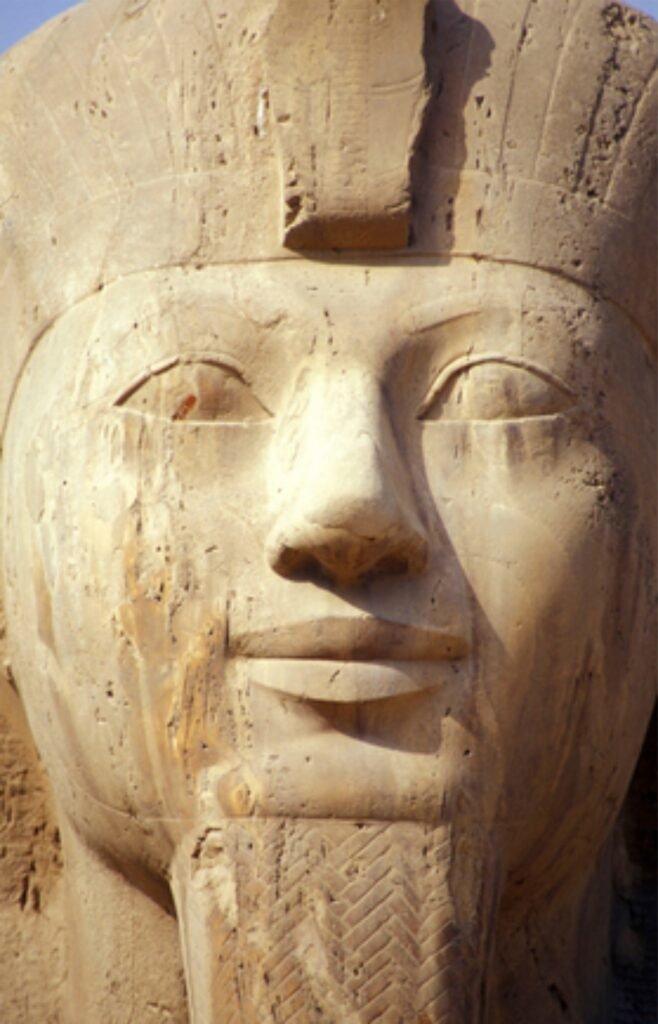
While Ahmose I, Amenhotep I, and Thutmose III laid the bricks of military success, they were complemented by pharaohs like Amenhotep IV, known as Akhenaten, who ushered in a radical religious transformation. By shifting the focus of worship to the sun disk Aten, Akhenaten challenged established norms and practises, sparking significant cultural evolution within the society. His unique vision set the stage for later debates about divine sovereignty and human connection to the divine.
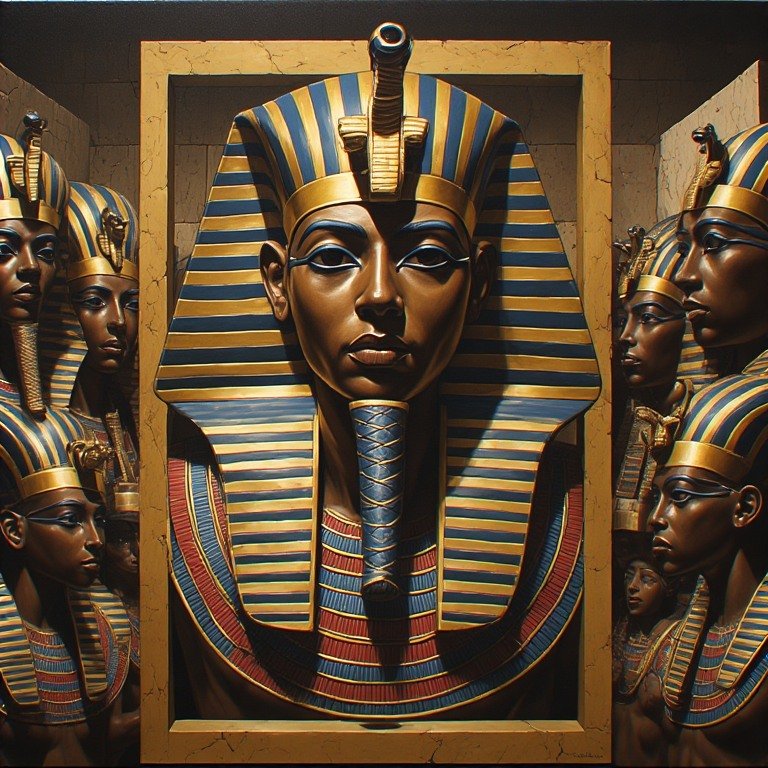
After the upheaval of Akhenaten’s reign, the young King, Tutankhamun stepped in to bring back the old ways. In his short time on the throne (1332–1323 BCE), he worked to restore the neglected temples and reinstated the priesthood, steering Egypt back to its centuries-old traditions. As he ascended to power, the young pharaoh faced a society in disarray, longing for the stability and reverence that had been lost under Akhenaten’s radical reforms. Recognizing the need to heal a fractured nation, Tutankhamun took decisive action to reinstate the worship of Amun and other deities, which not only revitalized religious practices but also reinforced the socio-political structure that supported the pharaonic system.
Amidst the powerful male dynasts, Queen Hatshepsut stands out as a remarkable figure who defied gender norms of her time. As one of the few female pharaohs, she took on the full regalia of kingship. Queen Hatshepsut redefined the kingdom by prioritizing commercial expansion over military conquest, resulting in unparalleled wealth and a lasting economic, cultural, and architectural legacy. Under her, trade expeditions were established, most famously to the Land of Punt, bringing back riches and exotic goods that enhanced Egypt’s status on the global stage. She also initiated construction projects that displayed Egypt’s architectural prowess, notably her mortuary temple at Deir el-Bahari. Built into a cliffside, Temple of Deir el-Bahar is considered an architectural wonder. Queen Hatshepsut’s reign highlighted the economic aspects of an empire, as she expanded trade routes and sought alliances, emphasizing her role not just as a ruler, but as a stateswoman whose vision contributed richly to Egypt’s wealth.
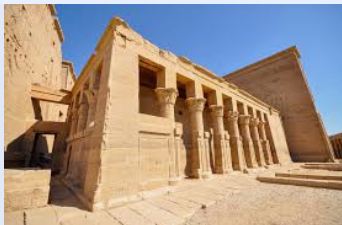
Among her many achievements, Hatshepsut’s most famous monument stands as a testament to her visionary leadership: the mortuary temple at Deir el-Bahari. This magnificent terraced structure, designed by the architect Senenmut, is widely considered an architectural masterpiece of ancient Egypt.
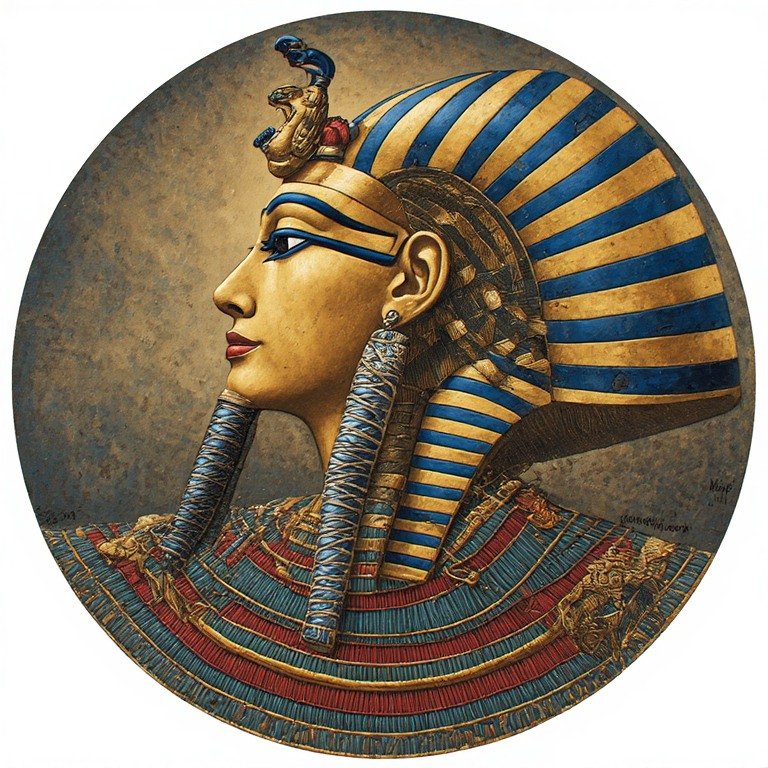
Queen Hatshepsut (c. 1507–1458 BC) was one of Egypt’s most successful rulers. She ruled for roughly 22 years as the sixth pharaoh of the Eighteenth Dynasty. She broke tradition by assuming the full, masculine, and royal titles of a pharaoh.
Culturally, the New Kingdom saw an enduring legacy in literature, art, and theology. The period witnessed the emergence of significant literary works, artistic innovations, and a complex pantheon of gods that guided various facets of daily life and governance. The subsequent periods of Egypt’s history would draw upon its achievements, heralding back to the grandeur of the empire that had solidified Egypt as a dominant civilization in the ancient world. The cultural, political, and military foundations laid during this era ensured that Egypt would remain a focal point of power and influence for centuries to come, allowing future generations to inherit a legacy of unparalleled achievements. The expulsion of the Hyksos by Ahmose I was not merely a military victory; it was the catalyst for the New Kingdom’s ascent into one of the most prosperous and culturally rich periods in ancient Egyptian history.
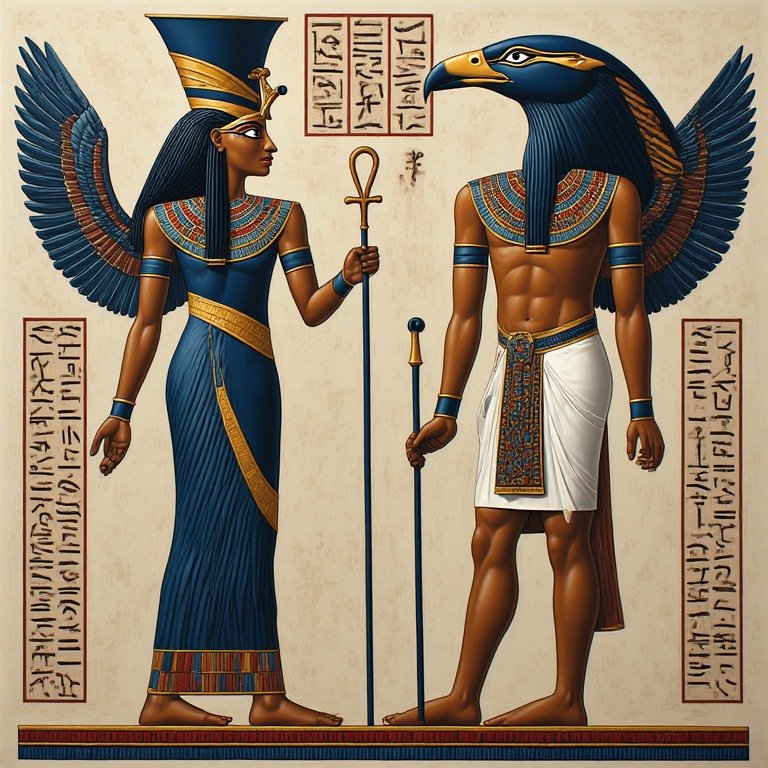
Ancient Egypt witnessed a profound evolution in religious practices, notably through the rise of the Osirian cult. Central to this worship was Osiris, the god of the afterlife, whose influence was inextricably linked to the cycle of life and death. The reverence for Osiris and his associated deities, particularly Amun, reached unprecedented heights during this era, reflecting the dynamic relationship between religion, politics, and cultural expression among the ancient Egyptians.
Following its peak as a New Kingdom superpower, Egypt struggled with widespread local rebellions, which severely weakened the authority of the central government. Furthermore, rivalry among Egyptian princes in the fertile Nile Delta created additional challenges. These local leaders often sought to elevate their own status and power at the expense of the central authority, further complicating governance. The fragmented leadership undermined efforts to present a unified front against external threats, making it exceedingly difficult for the central authority to enforce their will effectively.
In the midst of this chaos, the challenge of maintaining a centralized control was daunting. The once formidable administrative systems that had allowed ancient Egypt to thrive and expand were failing to cope with the multitude of political challenges. The disintegration of strong central governance led to an inability to mobilize resources effectively against external powers, most notably the Assyrians. Consequently, this fragmentation left ancient Egypt highly vulnerable to outside forces, as neighboring empires, noticing the weakened state of their formidable neighbor, sought to exploit this vulnerability for their own gain.
Who Were the Hyksos? (Previous Reading)
Dynastic Egypt – A Divided Egypt and the Rise of Assyrian Conquests (Next Reading)
Source:
Ancient records of Egypt historical documents from the earliest times to the Persian conquest / collected, edited and translated with commentary by James Henry Breasted v. 2


 Adinkra Admin