









Nkrumah’s Vision for African Identity
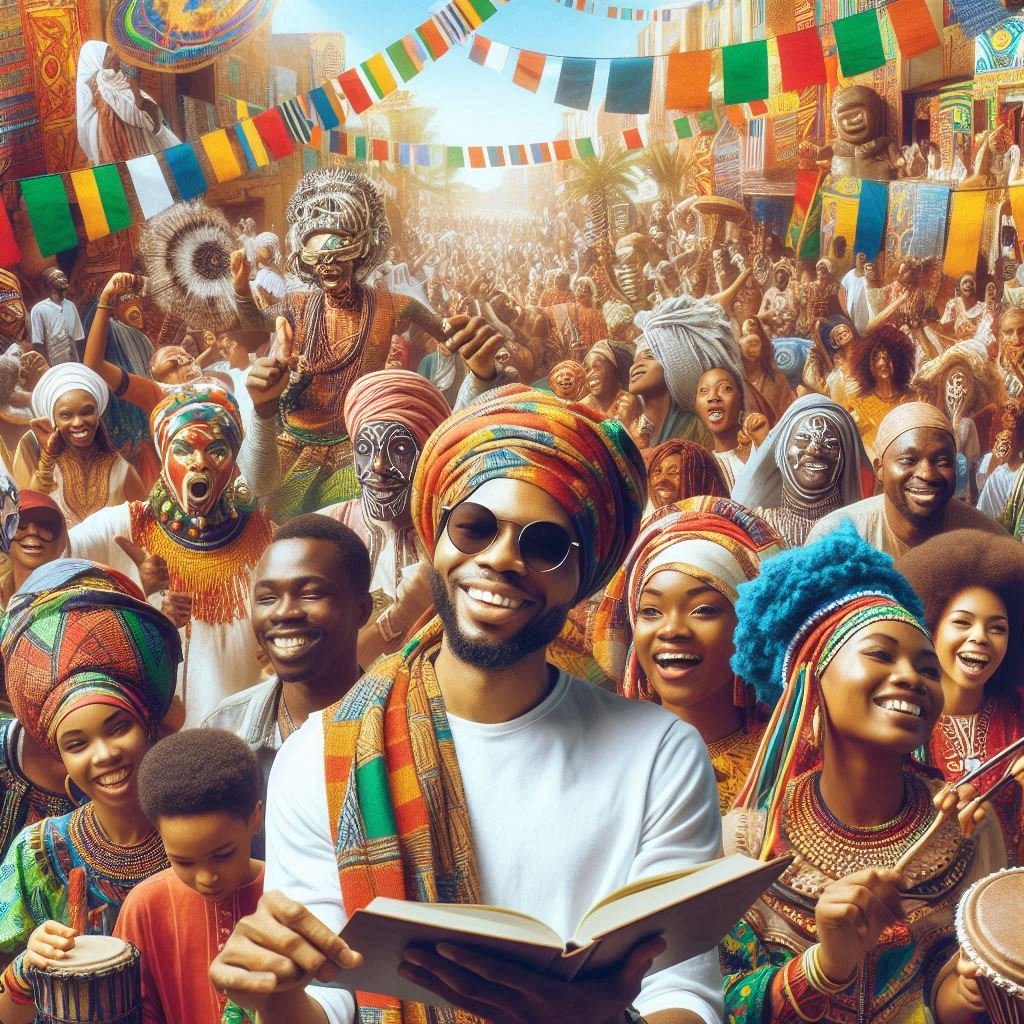
Kwame Nkrumah, the illustrious founding father of Ghana, didn’t just want to steer his country to independence; he aimed for a luminous Renaissance across Africa. His vision for African identity was nothing short of revolutionary. Nkrumah believed that for Africa to rise, it needed a united identity, rooted in shared heritage and cultural pride. He envisioned a continent where every individual resonated with a deep-seated sense of belonging. Think of it as the ultimate family reunion – one that spans borders and transcends languages!
Legacy of Unity and Identity
At the heart of Nkrumah’s philosophy was the idea that understanding ones African roots is essential for forging a collective identity. He believed that reclaiming African history, culture, and values would empower African nations to stand tall on the global stage. Nkrumah famously quoted, “We must unite to build the Africa we want.” And what an ambitious call to action that was! It was akin to telling everyone at a party to put down their phones and actually interact with each other.
In the post-World War II era, when many African nations were seeking independence from colonial rule, Nkrumah emerged as a prominent leader advocating for not just political freedom but also economic autonomy. He recognized that true independence was unattainable without economic control over one’s resources and markets. His belief was that African nations should not only end colonial governance but also dismantle the colonial economic structures that kept them subservient. Through his powerful speeches and eloquent writings, Nkrumah emphasized that economic independence was essential for the overall growth and development of African countries.
Kwame Nkrumah’s vision for Africa emphasized economic independence as a fundamental pathway towards genuine self-determination. Central to his philosophy was the idea of intra-African trade, which he viewed as vital for fostering economic ties between neighboring states and reducing reliance on former colonial powers. By promoting the establishment of regional economic blocs, countries could have worked collaboratively, thus enhancing productivity and economic resilience across the continent.
Nkrumah’s ideology was articulated in various formats, including his influential book, “Africa Must Unite,” where he argued for a collective economic strategy among African states to foster development and resist neocolonial influences. His vision advocated for regional integration, unity among African nations, and the establishment of a comprehensive economic framework that would empower local industries and reduce dependency on Western powers.
Industrialization was a key pillar of Nkrumah’s economic strategy. He recognized that for African countries to emerge from the shadows of imperialism, they had to invest in their own industries, manufacturing goods domestically rather than relying on imports. Nkrumah initiated various infrastructural projects, aimed at creating a self-sufficient economy capable of producing a range of products, including textiles and food items. He believed that fostering local industries would not only create jobs but also contribute to national pride and economic resilience.
In addition to industrialization, Nkrumah was a proponent of organized labor and emphasized the importance of trade unions. He argued that these unions were crucial for protecting workers’ rights and promoting fair labor practices. By strengthening labor movements, Nkrumah aimed to ensure that economic growth translated into tangible benefits for the populace, rather than concentrating wealth in the hands of a few. Furthermore, he understood that regional cooperation was vital for economic stability across Africa. Nkrumah championed initiatives aimed at fostering collaborations among African nations to enhance trade, share resources, and strengthen political ties, laying the groundwork for future regional organizations.
Moreover, Nkrumah’s emphasis on industrialization set a benchmark for subsequent leaders across Africa. Countries such as Tanzania and Algeria adopted similar state-led strategies for economic development, attempting to replicate the industrial initiatives Nkrumah championed. In Tanzania, Julius Nyerere’s Ujamaa policy aimed to create a collective economy influenced by Nkrumah’s vision, although it met with mixed results. The successes in industrialization witnessed in some sectors stand in contrast to the failures attributed to mismanagement and a lack of infrastructure development.
Nkrumah’s policies also inspired various social movements, sparking a wave of nationalism and self-determination throughout the continent during the 1960s and 1970s. Consequently, leaders like Jomo Kenyatta in Kenya and Patrice Lumumba in the Democratic Republic of Congo drew from his ideas to foster economic policies that aimed at liberating their nations from foreign exploitation.
In essence, Kwame Nkrumah’s vision catalyzed a significant transformation in the economic policies of African nations, leaving a lasting legacy that can still be felt today. The complex interplay between his successes and failures continues to influence the continent’s approach to economic independence, growth, and integration.
Challenges Faced by Nkrumah
Kwame Nkrumah’s ambitious economic vision for African independence and growth faced numerous challenges and critiques that impeded its full realization. He encountered numerous challenges both internally and externally as he sought to unify African nations and liberate them from colonial influences. One of the immediate challenges stemmed from political opposition within Ghana itself. Some rival political factions and traditional leaders opposed Nkrumah’s vision, perceiving him as an autocrat. His push for rapid development often led to centralized policies that marginalized those with differing viewpoints, leading to internal strife and discord among various groups within the nation. The most pressing challenges was the political landscape in which his policies were implemented. Nkrumah’s government, while aiming for economic self-sufficiency and pan-African unity, experienced instability due to coups, political dissent, and rivalries in his own country and among African leadership. This political volatility not only derailed the execution of his economic programs but also created a climate of mistrust and division among countries that Nkrumah sought to unite.
Additionally, Nkrumah’s reliance on state-led initiatives and heavy industrialization faced criticism for not effectively addressing the prevalent socio-economic realities, particularly in rural areas. Critics argued that his focus on grand projects overshadowed the need for grassroots development, where a significant portion of the population remained in poverty. The emphasis on large-scale industries, while well-intentioned, often failed to create the immediate employment and welfare improvements that the populace yearned for, thereby generating disillusionment towards his government.
At the time of Nkrumah’s ascent, the socio-political landscape across Africa was tumultuous. Newly independent countries faced numerous challenges, such as political instability, economic dependency on former colonial powers, and social divisions often exacerbated by colonial policies. These challenges underscored the importance of unity and collective progress, which Nkrumah emphasized in his speeches and policies, advocating for cooperation among African states as a solution to the continent’s developmental hurdles.
Further extension of critiques derived from other African leaders and economists who deemed Nkrumah’s strategies overly ambitious. They posited that his economic approaches did not realistically account for the context-specific challenges facing their nations. For instance, they highlighted that the economic interdependence of African countries with former colonial powers often constrained genuine independence, undermining efforts for sustainable economic growth. These discussions have continued to resonate, informing contemporary debates regarding economic frameworks in Africa that strive for genuine autonomy amid complex global relations.
Another notable challenge was the enduring legacy of colonialism. Nkrumah inherited a fractured continent with socio-economic disparities deeply rooted in colonial exploitation. The colonial systems of governance and economic dependence created significant barriers to the development of a unified African identity. During the Cold War era, the interest of Western nations in maintaining influence over Africa was particularly pronounced. Nkrumah’s socialist policies and alignment with the Eastern bloc alarmed Western powers, notably the United States and the United Kingdom, who viewed his leadership as a potential threat to their geopolitical interests in the region. This led to the imposition of economic sanctions and diplomatic isolation, hampering his attempts to secure resources for development and unity. Countries remained tied to their former colonizers, perpetuating dependency that Nkrumah sought to dismantle. Today, these legacies still manifest as many African states grapple with neo-colonial influences and the challenges of economic self-sufficiency, hindering collective progress towards unity.
Moreover, the economic challenges confronted by newly independent African nations significantly hindered Nkrumah’s agenda. The struggle to build a self-sufficient economy amidst a backdrop of foreign dependence posed a daunting task. Limited infrastructure, an economy reliant on exports of raw materials, and fluctuating commodity prices complicated efforts for any form of sustainable growth. Additionally, the military pressures stemming from tensions with neighboring countries further strained Ghana’s stability, which Nkrumah had to navigate while promoting his Pan-African ideals.
The confluence of these political, economic, and military challenges created a precarious environment for Nkrumah’s vision of Pan-African unity, complicating his efforts to establish a cohesive identity among African nations as they sought to distance themselves from colonial legacies.
The West’s Response to Nkrumah’s Vision
The West, wary of Nkrumah’s growing influence, employed various strategies to counter his Pan-African vision and maintain their dominant position in global politics. One major strategy adopted by Western powers involved undermining Nkrumah’s credibility and policies through disinformation campaigns. Nkrumah’s dramatic attempts to advocate for a pan-African agenda were often portrayed as authoritarian or radical, suggesting that his vision could lead to instability within the region. This smear campaign attempted to paint him as a puppet of Soviet influence, framing his aspirations as a threat to both Western interests and regional partners.
Additionally, Western nations sought to isolate Nkrumah diplomatically. This included rallying support among neighboring countries to resist any advances of his Pan-African initiatives. States that were economically reliant on Western aid were quietly encouraged to oppose Nkrumah’s vision, thereby building a coalition that could neutralize his impact. Throughout this period, the United States and its allies employed intelligence operations aimed at destabilizing Nkrumah’s government, seeking to prevent the spread of his ideologies that advocated for a united Africa free from colonial exploitation.
The geopolitical implications of Nkrumah’s stance were profound. By advocating for an assertive Pan-Africanism that encouraged third-world nations to seek self-reliance, he represented a paradigm shift that threatened the existing interests of Western-led institutions. In their efforts to counteract his influence,
Decades after his vision, Nkrumah’s ideals of unity still resonate. His emphasis on a shared African identity continues to inspire movements advocating for Pan-Africanism. The debates on cultural identity, societal values, and international recognition remain relevant. Just imagine a world where every African proudly wears their heritage like a badge of honor! Nkrumah lit the spark for this ongoing conversation. So, let’s not stifle it – let’s celebrate it, respect it, and make it flourish!
The Concept of Subversion in Nkrumah’s Ideology
Potential Outcomes of a Successful Subversion Had Nkrumah Succeeded: Hypothetical Outcomes


 Adinkra Admin