












Political Consequences for the Western World
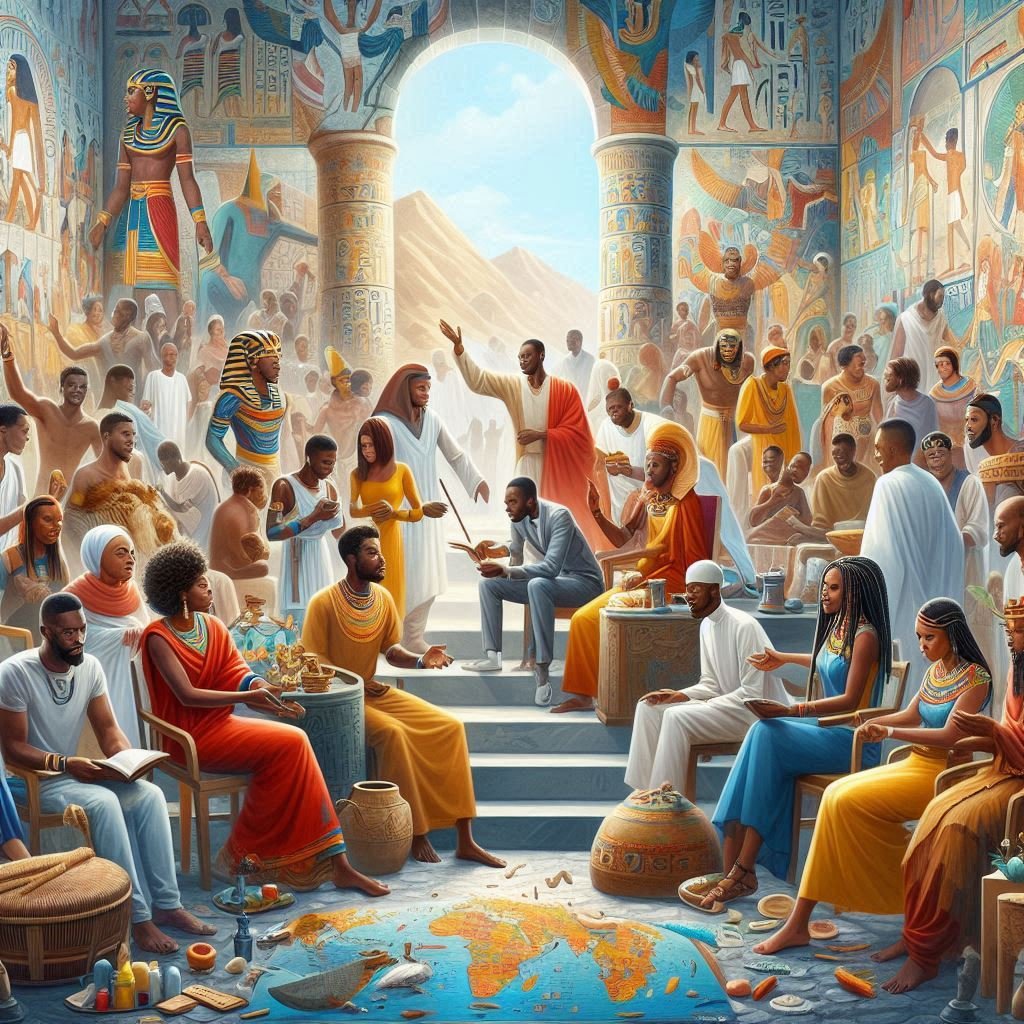
In exploring the hypothetical scenario of Kwame Nkrumah’s successful subversion of Africa, we gain valuable insights into the dynamics of continental unity and the pursuit of self-determination. Nkrumah’s vision for a unified Africa was not merely an abstract idea; it represented a profound shift from colonial dominance to regional solidarity. Had his ambitions materialized, the social, political, and economic landscapes of Africa today could be markedly different,and the potential for a stronger collective identity and intercontinental cooperation could have forged a distinct path, addressing systemic challenges more effectively, potentially leading to a more cohesive and powerful continent on the global stage.
The Social Ramification
The lessons drawn from this alternate history offer crucial perspectives for contemporary global politics. Firstly, the significance of unity cannot be overstated. Nkrumah’s belief in Pan-Africanism emphasized that collaboration and shared identity among African nations are essential for overcoming the residual effects of colonialism. This notion remains relevant as modern African states grapple with challenges such as political instability, economic disparity, and external influences. Today, there is a pressing need for ongoing efforts towards African unity, encapsulated in initiatives like the African Union and regional economic communities.
Additionally, Nkrumah’s call for a strong and conscious leadership that prioritizes the needs of the people is crucial in evaluating current governance structures within Africa. African leaders today are increasingly tasked with addressing complex socio-economic disparities, and the lessons from Nkrumah’s approach to leadership can guide contemporary policymakers in creating inclusive and participatory governance systems. Such an ideological shift not only reinforces accountability but also fosters a sense of responsibility among leaders towards their citizens.
Reflecting on the pivotal ideas presented by Kwame Nkrumah, it becomes increasingly evident that his vision remains vital for contemporary Africa. Nkrumah’s principles of unity, self-determination, and pan-Africanism resonate strongly in discussions surrounding the future of the continent. Had Nkrumah succeeded in his quest for a unified Africa, the trajectory of the continent’s development and political landscape might have been significantly different today.
Furthermore, Nkrumah’s strategies illustrate the importance of strong leadership and visionary governance. His approach to fostering pan-African ideals and asserting political independence provides a framework for contemporary leaders who aspire to champion unity and development. As Africa faces the dual threats of neocolonialist pressures and internal fragmentation, examining Nkrumah’s legacy could inspire a renewed commitment to collective progress.
Economic Ramification
One of the most critical aspects of Nkrumah’s vision was the emphasis on economic independence as a foundation for true sovereignty. Today, various economic collaborations, such as the African Continental Free Trade Area (AfCFTA), reflect this sentiment by encouraging intra-African trade. This initiative seeks to diminish reliance on external powers and strives for economic self-sufficiency, aligning with Nkrumah’s belief that economic liberation is vital for political freedom. The success of such ventures can be seen as a continuation of his legacy, highlighting the relevance of his ideas in addressing modern challenges faced by African states.
Nkrumah advocated for socialism as the vehicle for achieving economic independence. He maintained that a socialist framework could enable African nations to harness their natural resources and redistribute wealth more equitably among their populations. His policies emphasized nationalization of key industries, land reforms, and the promotion of education as means to eradicate poverty and enhance self-sufficiency. These strategies were intended to foster a sense of collective ownership and responsibility among Ghana’s citizens, laying the foundation for a model that he believed other African nations could emulate.
Additionally, a unified Africa under Nkrumah’s leadership would likely have altered trade dynamics significantly. As African nations coordinated their economies, they could have created a continental market that afforded them greater negotiating power on the global stage. This economic strength might have encouraged foreign investments tailored to local needs, fostering sustainable development paths instead of dependency on Western aid. The resulting trade alliances could have redefined relationships with global superpowers, prompting a reevaluation of trade agreements and economic policies centered around African interests.
The successful unification of Africa might have prompted a re-evaluation of global economic systems. Such a unification could have challenged existing economic structures, potentially leading to the establishment of alternative trade agreements and economic policies that prioritized intra-African trade and cooperation. This shift would also risk destabilizing the global capitalist economy, especially for nations reliant on Africa’s resources. The impact on military strategies would also be profound, as nations would likely reassess their defense postures in light of a new, unified African military coalition capable of defending its interests against external threats.
Long-term Implications for Global Politics
The successful subversion of Africa by Kwame Nkrumah would have had profound long-term implications for global politics, reshaping the international landscape in a variety of ways. First and foremost, Nkrumah’s vision of a politically unified Africa might have facilitated the establishment of robust alliances within the continent, empowering nations to collectively address issues such as colonial remnants, economic disparity, and social injustice. This new political solidarity could have led to the creation of a powerful bloc capable of influencing global forums, potentially shifting the balance of power away from established Western hegemonies. This solidarity might have created a powerful block of nations that could exert considerable influence in international affairs, shifting the balance of power in favor of the Eastern Bloc during the Cold War. With a unified Africa advocating for self-determination and autonomy, the influence of Western powers would have waned significantly. This shift could have inspired other regions striving for independence, leading to a more multipolar world. The Western world, in response, might have had to reassess its foreign policies toward developing nations, adopting a more collaborative rather than exploitative approach.
Furthermore, Nkrumah’s ideology of Pan-Africanism would have inspired other global movements advocating for self-determination and independence, potentially igniting a wave of non-alignment that challenged the prevailing Cold War narratives. By promoting unity among developing nations, Nkrumah’s success might have encouraged a more significant push against neo-colonialism, granting other countries the confidence to resist external pressures and assert their sovereignty. The legacy of such a powerful Pan-African movement could have fostered a sense of camaraderie among nations across the globe, paving the way for collaborative efforts in various socio-political arenas.
Modern Implications: Lessons from Nkrumah Today
Kwame Nkrumah’s vision for a united and self-determined Africa remains a significant reference point in contemporary discourse surrounding African unity and development. His ideals of pan-Africanism reverberate through various current initiatives aimed at fostering collaboration among African nations. Contemporary organizations, such as the African Union (AU), echo Nkrumah’s aspirations by promoting unity and collective continental action. However, the modern implications of Nkrumah’s philosophy extend beyond merely advocating for political unity.
In essence, the relevance of Nkrumah’s vision can be observed through ongoing efforts that strive for African independence and unity. Through initiatives that promote economic collaboration and advocate for responsible leadership, contemporary Africa has the opportunity to learn from Nkrumah’s ideals, ensuring that they resonate within the framework of today’s geopolitical landscape. This reflection on his vision can inspire current and future generations to work collectively towards an integrated and flourishing African continent.
Nkrumah’s legacy reflects both the challenges and aspirations of African economic policy in the post-colonial era. His attempts to foster regional economic integration and promote state-led development have left lasting impacts that continue to shape discussions around economic strategies in Africa today.
Kwame Nkrumah’s influence on Pan-Africanism and his visionary leadership continue to resonate not only in Africa but also in the global context. As a prominent advocate for African unity, Nkrumah’s dedication to the liberation of the continent and its people laid a strong foundation for subsequent movements aimed at achieving social, political, and economic empowerment across Africa. His theoretical frameworks and practical initiatives provided crucial arguments for the necessity of solidarity among African nations. They served to inspire a generation of leaders and activists fighting against colonialism and neo-colonialism.
Had Kwame Nkrumah’s vision for a united Africa emerged victorious, the western world would likely have faced transformative economic and political changes. The legacy of Nkrumah endures, challenging contemporary leaders to contemplate new paths for global interaction and cooperation. In conclusion, Nkrumah’s hypothetical success in unifying Africa would have resulted in substantial repercussions for global politics and Cold War dynamics, potentially altering alliances, economic frameworks, and military strategies on an international scale.
In more abstract terms, Nkrumah’s successful subversion could have fundamentally altered the trajectory of historical international relations, influencing everything from diplomatic strategies to military alliances, and ultimately leading to a world that acknowledges the pivotal role of Africa in global affairs.
In conclusion, Nkrumah’s hypothetical success in unifying Africa would have resulted in substantial repercussions for global politics and Cold War dynamics, potentially altering alliances, economic frameworks, and military strategies on an international scale.
Sources: ‘Kwame Nkrumah: The Consciencism’ and ‘The Wretched of the Earth’ by Frantz Fanon offer critical examinations of his philosophy. Moreover, academic papers analyzing his legacy highlight how his subversion strategies inspired subsequent independence movements across Africa. These sources not only illustrate Nkrumah’s vision but also offer critical reflection on the complexities of his political ambitions.


 Adinkra Admin