









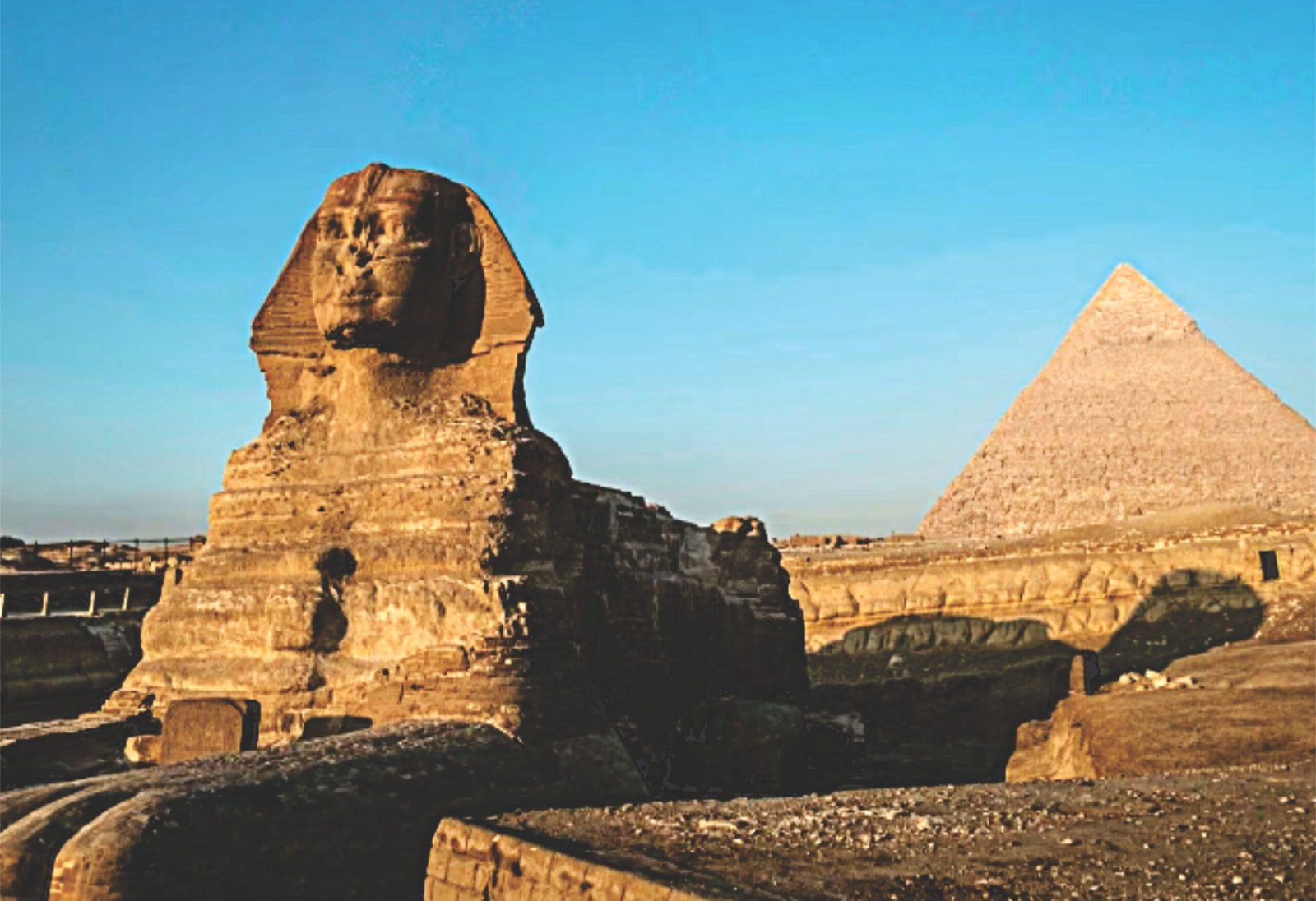
The Hyksos Takeover of Pharaonic Egypt
After the Middle Kingdom reached its zenith, the centralized governance established by pharaohs began to falter. The reigns of the later kings of the Thirteenth Dynasty were characterized by their brevity. As the political situation became increasingly precarious, the ability of the pharaohs to exert control over the provinces diminished significantly. The once-cohesive structure of governance, which allowed the pharaoh to maintain order and exercise influence over distant territories, gradually disintegrated. Without strong and stable leadership at the helm, Egypt found itself vulnerable to the rising power of local governors and nomarchs, who began to act with greater autonomy than previously permitted. The weakening of central authority also led to an environment ripe for factionalism. With the pharaoh no longer seen as a formidable figure, the unity of the nation gave way to divisions as various factions and regional leaders vied for power. This fragmentation not only destabilized the political landscape but also diminished the pharaoh’s role as the divine ruler, further eroding the traditional structures that had long upheld the Egyptian state.
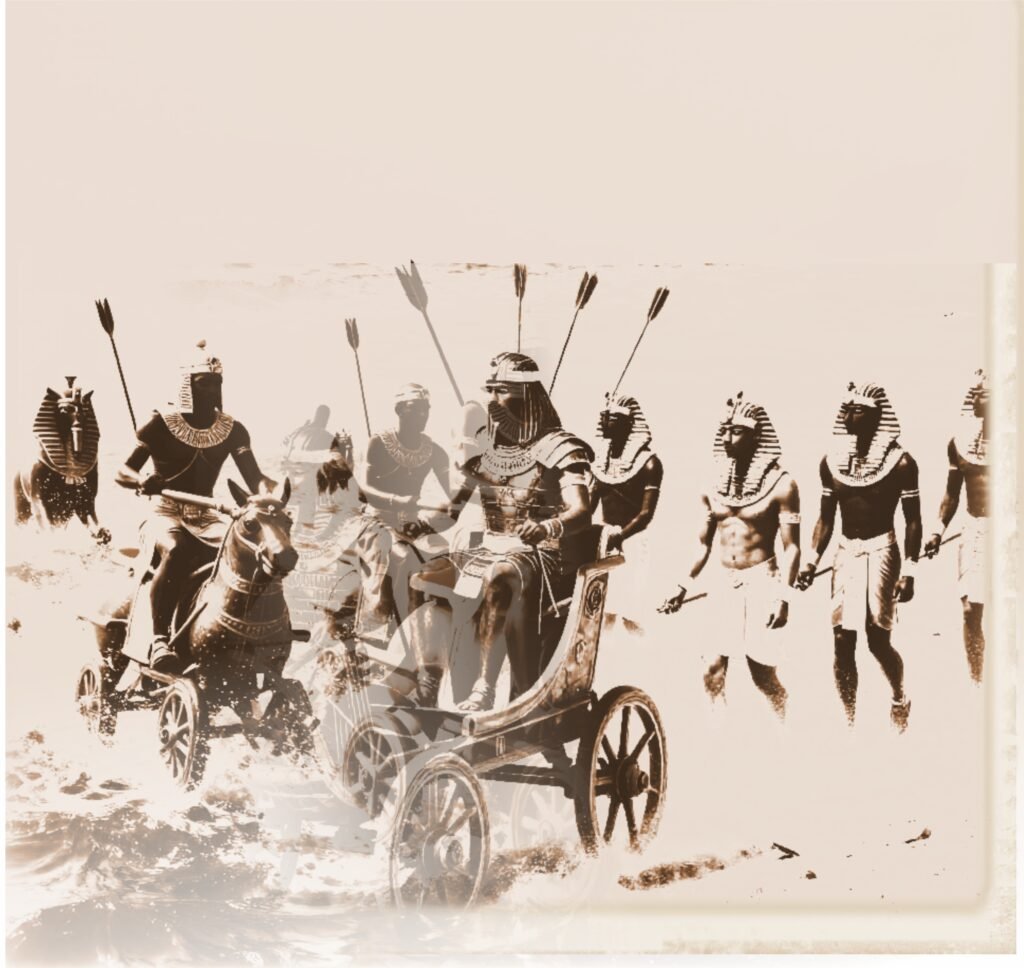
Incursions by the Hyksos
Seqenenre Tao, Kamose, and ultimately, Ahmose I began to organize a formidable resistance that would lead to the expulsion of the Hyksos by the mid-16th century BCE.
Weakening of the Egyptian Central Government
Long before the Hyksos, waves of migrants from Western Asia journeyed to Northern Egypt, drawn by the promise of trade, opportunities, and a life that thrived on the rich agricultural bounty of the Egyptian land. These migrants—traders, laborers, and craftsmen—began to establish their roots in the eastern Nile Delta, forming small but vibrant communities that would grow remarkably over the years. As they settled, they brought with them not just their skills and labor but also their own customs, traditions, and languages, thereby enriching the cultural tapestry of the region.
Avaris, the principal city founded by these migrants, became a prominent center for commerce and political activity. It served as the hub of their community, where trade routes converged and interactions between different cultures thrived. Its strategic location allowed it to prosper, facilitating exchanges between Egypt and its neighbors, which included not only economic goods but also ideas and innovations. Over time, Avaris evolved from a modest settlement into a key urban center, becoming increasingly influential in the landscape of ancient Egypt.
The expansion and consolidation of these foreign communities coincided with periods of instability within the Egyptian government, particularly during the Second Intermediate Period. As central authority in Egypt weakened, the migratory groups began to leverage their growing numbers and economic dominance to assert their own political control. The absence of a strong and unified pharaoh allowed these communities to negotiate power structures that suited their needs, leading to an unusual form of governance that was at once both foreign and integrated into the fabric of Egyptian society.
Consequently, as provincial governors asserted their independence, the central government struggled to respond effectively. Resources became mismanaged, and the once-robust economy suffered from neglect and misalignment. The political fragmentation and disintegration of the central authority paved the way for growing social and economic problems, ultimately leading to Egypt’s vulnerability against both internal and external threats. The Hyksos exploited the prevailing disarray, establishing themselves initially as mercenaries and traders within the Egyptian society. Over time, they began to consolidate power, capturing important cities such as Avaris in the northeastern delta.
The Hyksos, ultimately rose to prominence within this context of shifting power dynamics. They would take control of Avaris and later become the rulers of a significant portion of Egypt. Their impact on the Nile Delta was profound, marking a transformation not only in political structures but also in social and cultural practices across the region. Their incursions were not initially met with strong resistance, as internal strife weakened the military capabilities of the Egyptian state. Their conquest was not, therefore, a dramatic and sudden invasion but rather a complex process influenced by the interplay of internal decline and external ambition. Their adeptness at diplomacy and military tactics allowed them to gradually gain control over a significant portion of Egypt.
While the Hyksos asserted their rule over Lower Egypt, native Egyptian kings maintained their sovereignty in Upper Egypt, primarily from the city of Thebes. This division between the two powers created a unique geopolitical landscape, with contrasting royal dynasties influencing the fate of the Nile Valley. The distinction between the two realms—Lower Egypt under Hyksos control and Upper Egypt ruled by native kings—led to a period of cultural and political interplay. Each region was characterized by its own customs, practices, and symbols of power. The Hyksos, having established themselves in the north, fortified their positions and initiated trade with various neighboring cultures, introducing elements from outside Egypt that would, in time, permeate Egyptian society. In contrast, Upper Egypt continued to uphold traditional Egyptian values, religious practices, and governance, with Thebes acting as the political and spiritual heart of native Egyptian culture. The native rulers maintained their authority over the southern region, preserving the memory of earlier, prosperous dynasties. This cultural retention fostered a sense of national identity
Unity of Ancient Egyptians Against the Hyksos
The ancient Egyptian rulers, recognizing the need to unite against the Hyksos rule that had overtaken their homeland, began to organize a formidable resistance that would lead to the expulsion of the Hyksos by the mid-16th century BCE. Among the notable leaders who emerged during this critical period were Seqenenre Tao, Kamose, and ultimately, Ahmose I. Each played a crucial role in rallying Egyptian forces and igniting a sense of national pride and purpose among the people.
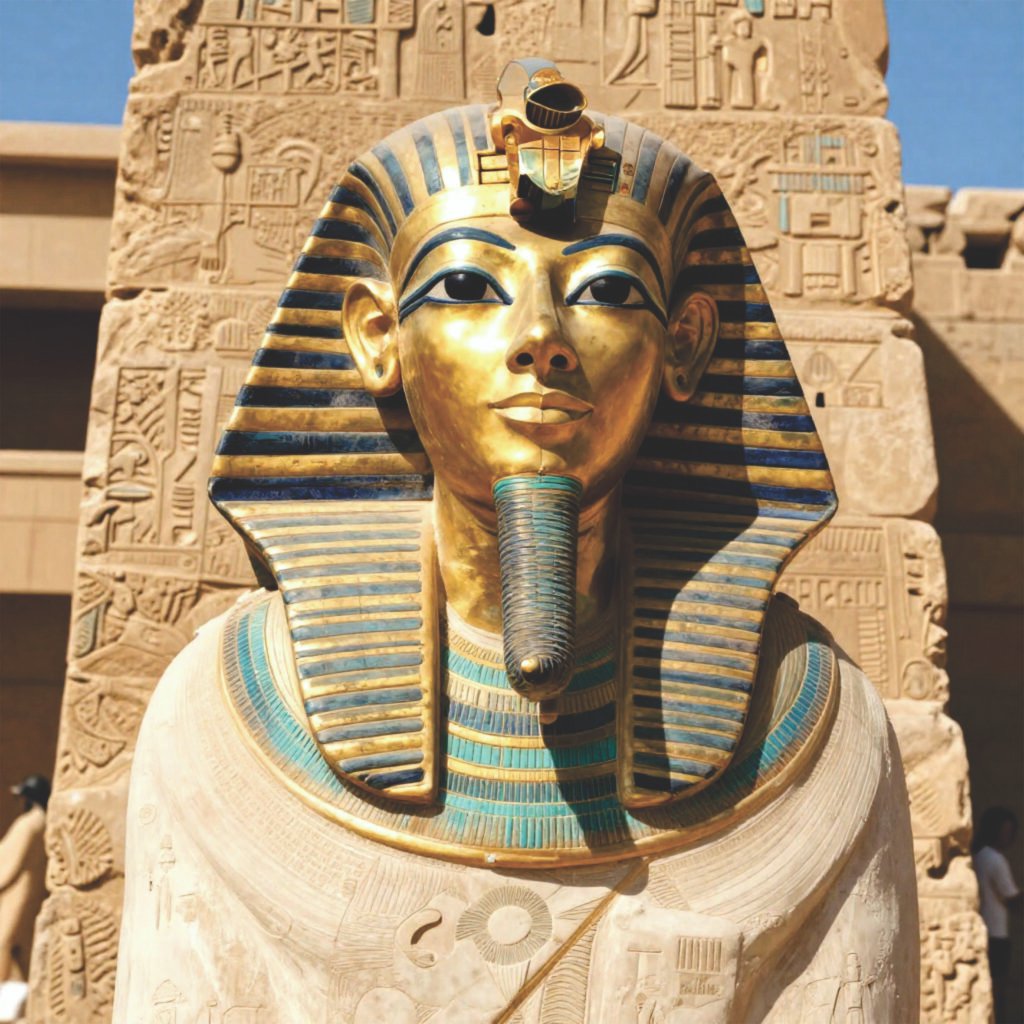
Seqenenre Tao stood at the forefront of this resistance. His reign was characterized by a determination to reclaim Egyptian sovereignty. Tao’s struggles against the Hyksos were not only military but also symbolic, as he embodied the spirit of defiance against foreign domination. His legacy reflects the initial flickers of resistance that began to unite the disparate Egyptian factions under a common cause.
Following Seqenenre Tao’s death, his son Kamose took up the mantle of leadership. Kamose intensified the fight against the Hyksos, launching military campaigns that sought to weaken their grip on Egypt. His reign was marked by bold strategies and courageous confrontations that yielded significant victories, reinforcing the resolve of the Egyptian populace to reclaim their lands. The torch of leadership eventually passed to Ahmose I, who would become the architect of the ultimate victory. Ahmose I’s military prowess and strategic reforms revitalized the Egyptian army.
Around 1550 BCE, Ahmose I played a crucial role in the resurgence of Egyptian. He implemented the use of chariots and trained a new cadre of soldiers in the skills necessary to operate them effectively. He successfully launched a decisive campaign against the Hyksos, employing innovative tactics and a fierce determination that had been cultivated by his predecessors. Ahmose’s military reforms were complemented by a well-organized campaign of resistance.
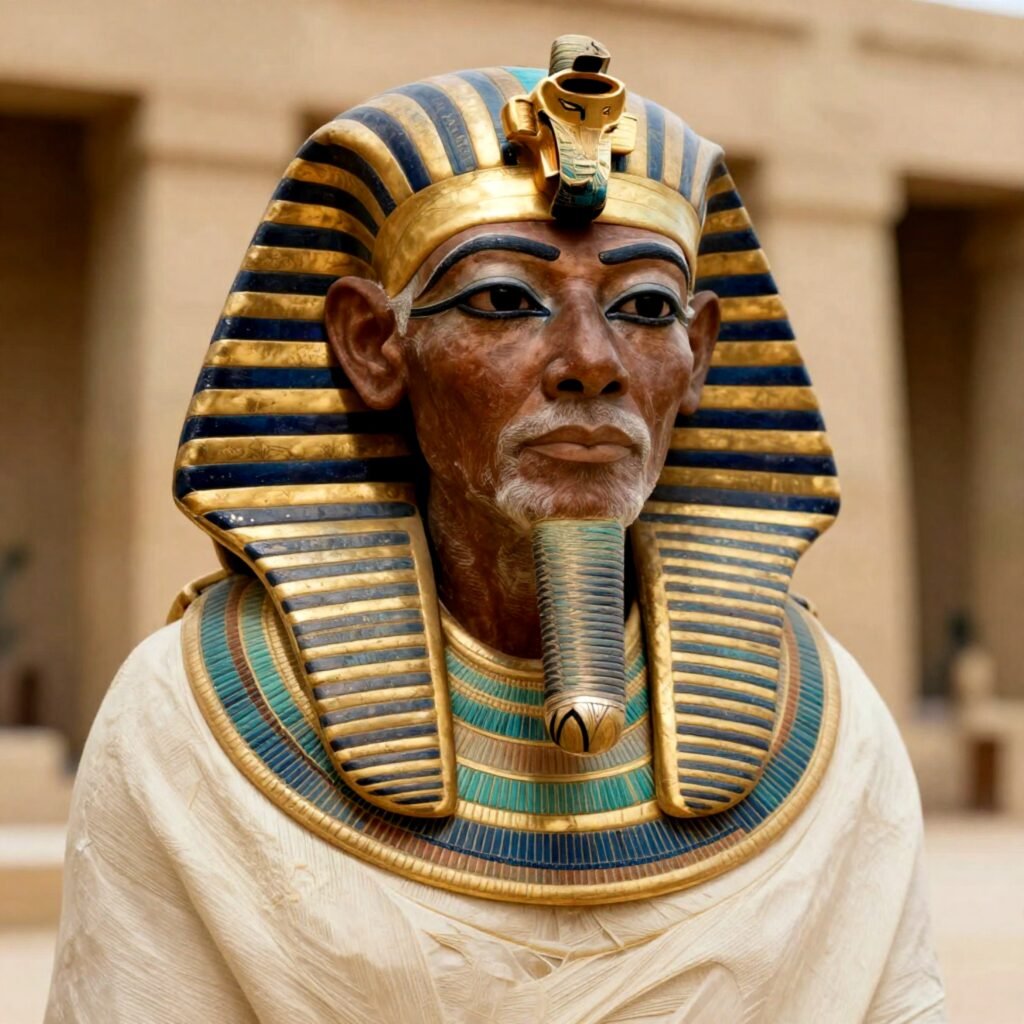
The Egyptians united under his leadership, fostering a sense of nationalism and collective identity that had been weakened during the Hyksos occupation. This unity proved critical in mobilizing resources and manpower against the common enemy. By implementing a series of strategic attacks and sieges designed to weaken the Hyksos strongholds, Ahmose laid the groundwork for the eventual liberation of Egypt. Ahmose I’s triumph over the Hyksos was not merely a military victory; it was a profound turning point in Egyptian history. It marked the end of the Second Intermediate Period and the beginning of the New Kingdom—a time characterized by unprecedented power, wealth, and territorial expansion. The expulsion of the Hyksos established Thebes as a principal city, paving the way for a dynasty that would lead Egypt into its golden age.
The legacy of these rulers and the successful counterattack against the Hyksos cannot be overstated. Their efforts not only restored Egyptian independence but also laid the groundwork for an era of cultural and political resurgence that would elevate Egypt to unparalleled heights in the ancient world.
Development of Writing and Knowledge by the Early Egyptians (Previous Reading)
Who Were the Hyksos? (Next Reading)
Source:
Bietak, Manfred. Avaris: The Capital of the Hyksos. British Museum Press, 1996.


 Adinkra Admin