











The Power of the Pharaohs and Impact on the World in Ancient Egypt
The Legacy of the Dynastic Period
The dynastic period of ancient Egypt, spanning approximately from 3100 to 332 BCE, epitomizes one of the most remarkable and enduring chapters in human history. This era is often celebrated for its significant achievements that allowed Egypt to flourish as a mighty and stable civilization for over three millennia. The foundations laid by early rulers, particularly Narmer, were instrumental in establishing a legacy that would influence not only the course of Egyptian society but also the wider Mediterranean world.
As the dynastic period unfolded, it not only forged a powerful civilization but also crafted a cultural legacy that would resonate through time. The era’s hallmark achievements in governance, architecture, art, and science influenced subsequent generations, both within Egypt and across the Mediterranean world. The stability fostered by this period allowed Egypt to endure numerous challenges over the millennia, including foreign invasions and internal strife, illustrating the strength and resilience of this extraordinary civilization.
Formation of the Kingdom – Political Structure and Administration
Throughout the vast expanses of history, one of the hallmark achievements of ancient Egypt during the dynastic period was the remarkable ability to maintain a unified state along the Nile River. This enduring stability and cohesion can largely be attributed to a highly centralized monarchy, embodied by the pharaoh, who stood as the apex of both political power and religious authority.
The unification of Upper and Lower Egypt under Narmer, often recognized as the first pharaoh, marked the beginning of the dynastic period. Narmer’s Narmer Palette, an artifact symbolizing this unification, highlights the consolidation of power and the establishment of a centralized authority that would dominate Egyptian governance. This unification was pivotal in fostering a sense of Egyptian identity and cultural coherence that would persist throughout thousands of years.
The dynastic period saw the development of an intricate political structure characterized by a centralized bureaucratic system. Pharaohs were regarded as divine rulers, ensuring loyalty from their subjects through a combination of religious and political influence. The establishment of a complex administrative system, including various government officials and regional governors called nomarchs, allowed for effective taxation, resource distribution, and public works. This organization facilitated stability and growth, allowing Egypt to rigorously manage its agricultural and economic resources.
To facilitate this unity, a structured administrative system was developed, comprising officials, governors, and scribes. This bureaucratic framework was crucial in efficiently managing the vast territories of Egypt, from the fertile banks of the Nile to the expansive deserts on either side. Officials were appointed to oversee various regions and to ensure that the policies of the pharaoh were implemented effectively. These governors acted as intermediaries, relaying the needs and concerns of their regions to the central administration, while also delivering the pharaoh’s mandates back to the local populace, creating a robust channel of communication.
Scribes played an equally vital role in this administrative machinery. As the literate class, they were responsible for record-keeping, taxation, and documentation of legal matters. Their skills ensured that the complexities of governance were managed efficiently, enabling the administration to function smoothly. This meticulous attention to documentation not only provided the state with essential revenue through taxes but also helped maintain social order.
This centralized political system provided Egypt with an unparalleled stability that endured for thousands of years. While neighboring civilizations faced upheaval and fragmentation, Egypt’s strong governance and societal cohesion enabled it to navigate challenges like droughts, invasions, or internal conflicts with relative ease. The loyalty instilled by a shared cultural and religious identity, coupled with the efficiency of its bureaucratic structures, allowed Egypt to not only survive but thrive, even during periods of turbulence.
Achievements in Architecture and Engineering By the Pharaohs
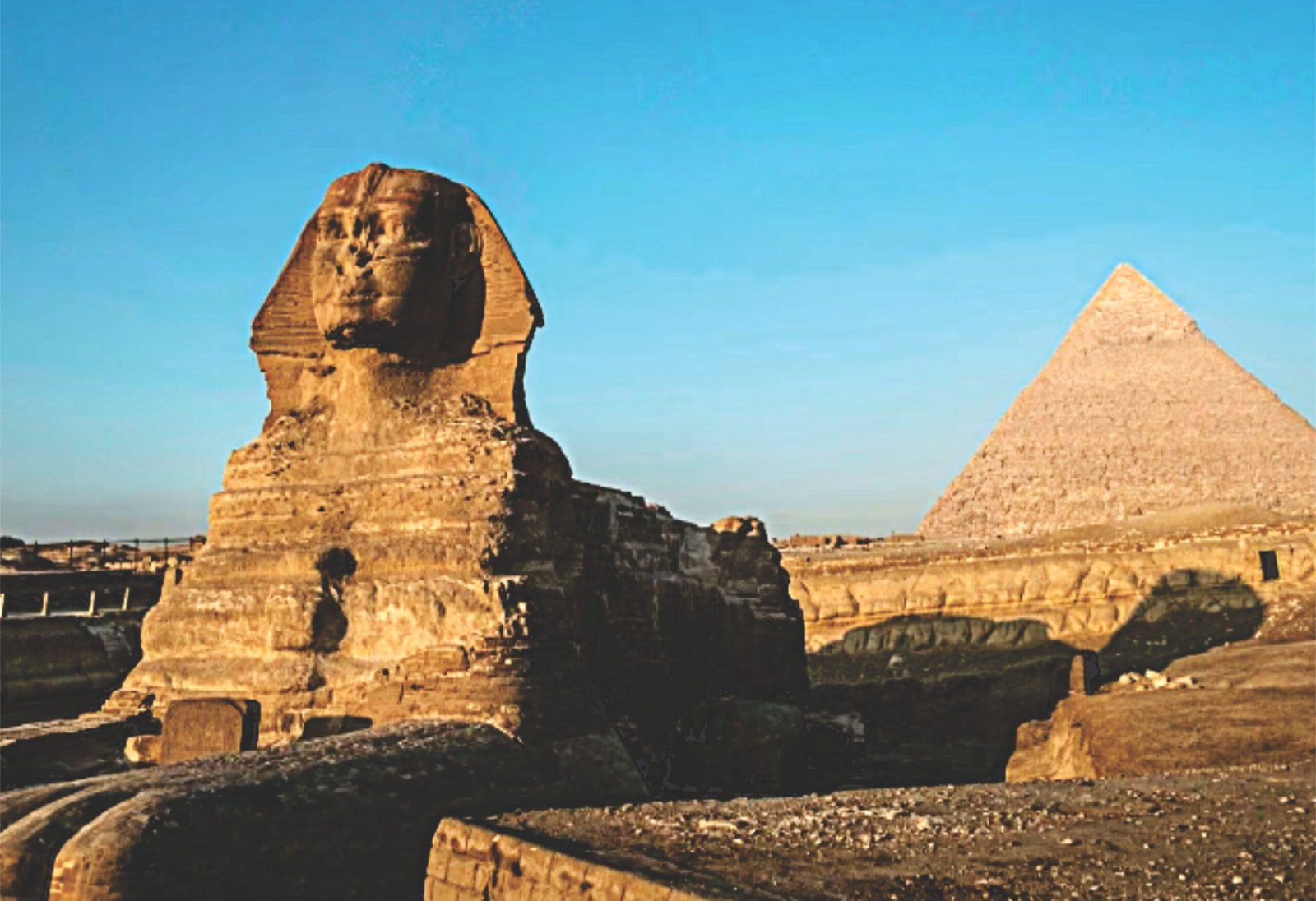
One of the most enduring legacies of the Pharaohs of ancient Egypt is the monumental architecture. Among the most impressive monuments constructed during this period are the Great Pyramid of Giza, the Karnak Temple, and the temples of Abu Simbel. These structures not only serve as testament to the artistic and architectural aesthetics of their time but also highlight an extraordinary depth of knowledge in engineering, mathematics, and organizational skills.
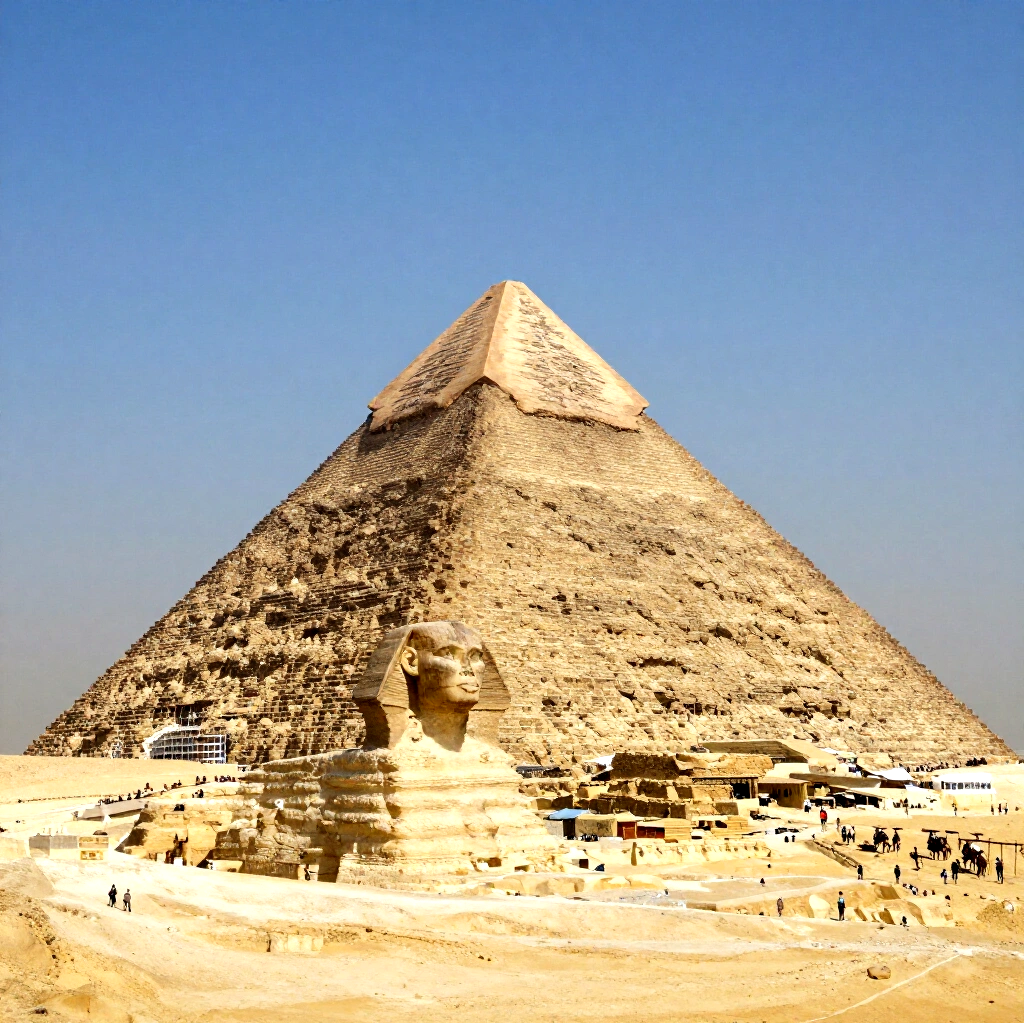
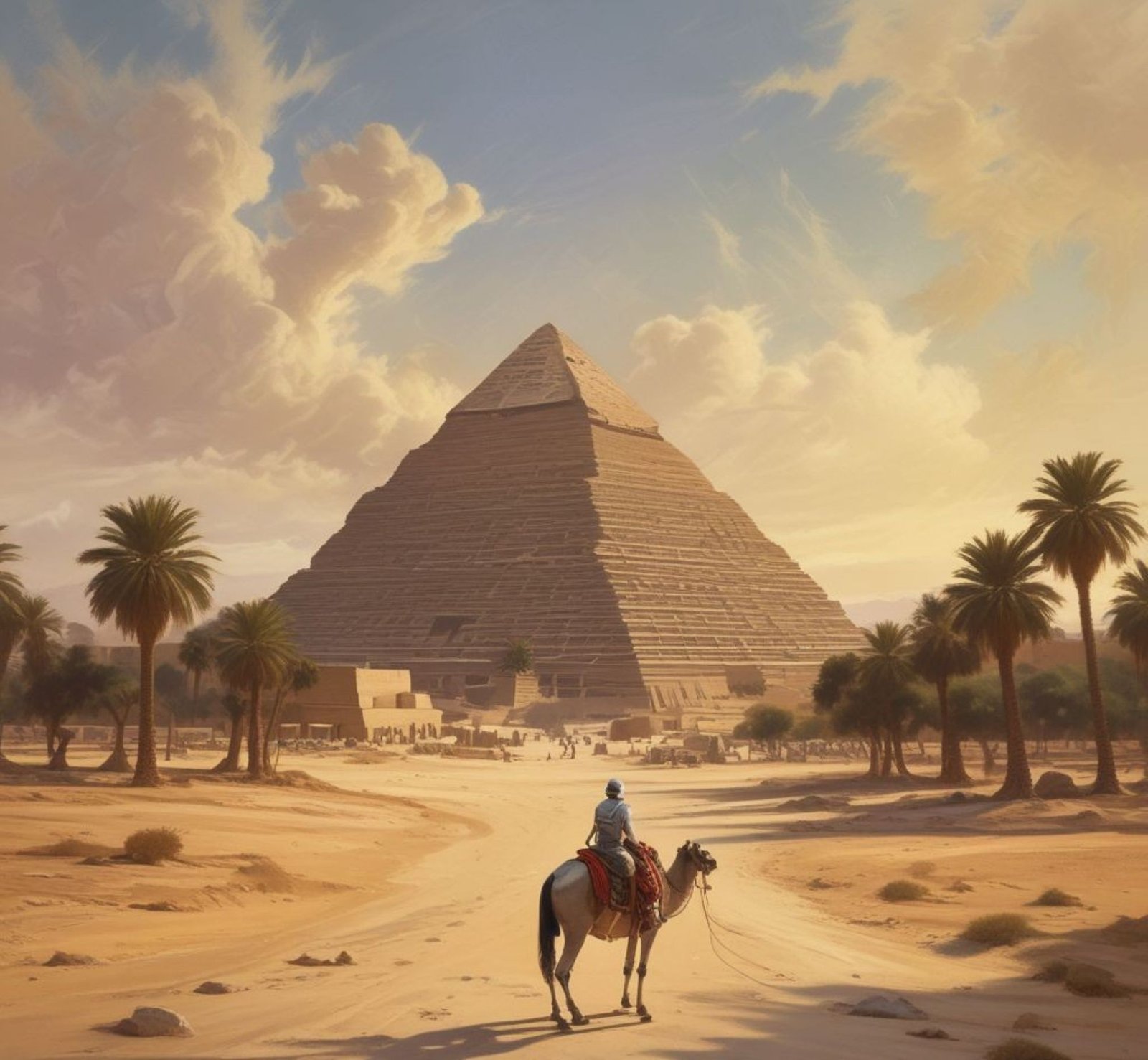
The Great Pyramid of Giza, one of the Seven Wonders of the Ancient World, stands as a monumental achievement that continues to captivate scholars and tourists alike. Built around 2580–2560 BC for Pharaoh Khufu, this pyramid was originally 146.6 meters tall, making it the tallest man-made structure in the world for over 3,800 years. The construction of such a massive structure, consisting of approximately 2.3 million blocks of stone, each weighing between 2.5 and 15 tons, necessitated sophisticated planning and execution. The alignment of the pyramid with incredible precision to the cardinal points demonstrates the Egyptians’ advanced understanding of astronomy and geometry. The techniques employed to transport and assemble these massive stones remain a subject of fascination and study, underscoring the immense organizational skills required to mobilize a workforce that likely exceeded tens of thousands of laborers.
Development of Writing and Knowledge
The ancient Egyptians, specifically during the dynastic period, were pioneers in the development of writing systems, most notably hieroglyphic writing. This intricate, symbolic form of communication was one of the earliest writing systems known to humanity, serving as a vital tool for administration, religion, and cultural preservation.
Hieroglyphic writing was not just a means of conveying information; it was a profound reflection of Egyptian civilization, enabling them to maintain comprehensive administrative records. These records were crucial for the efficient governance of their society, allowing officials to keep track of resources, collect taxes, and manage large-scale projects, such as the construction of temples and pyramids.
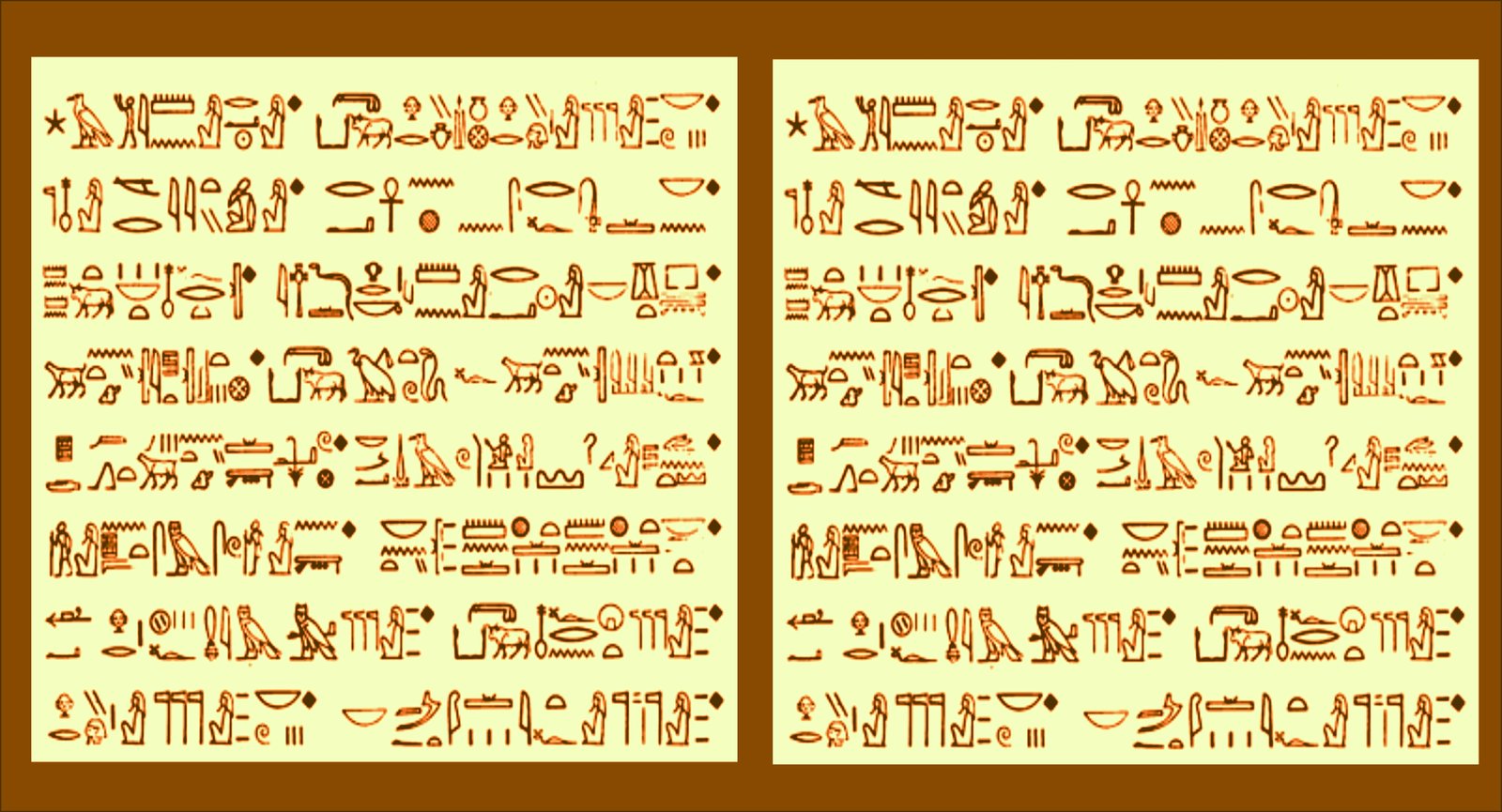
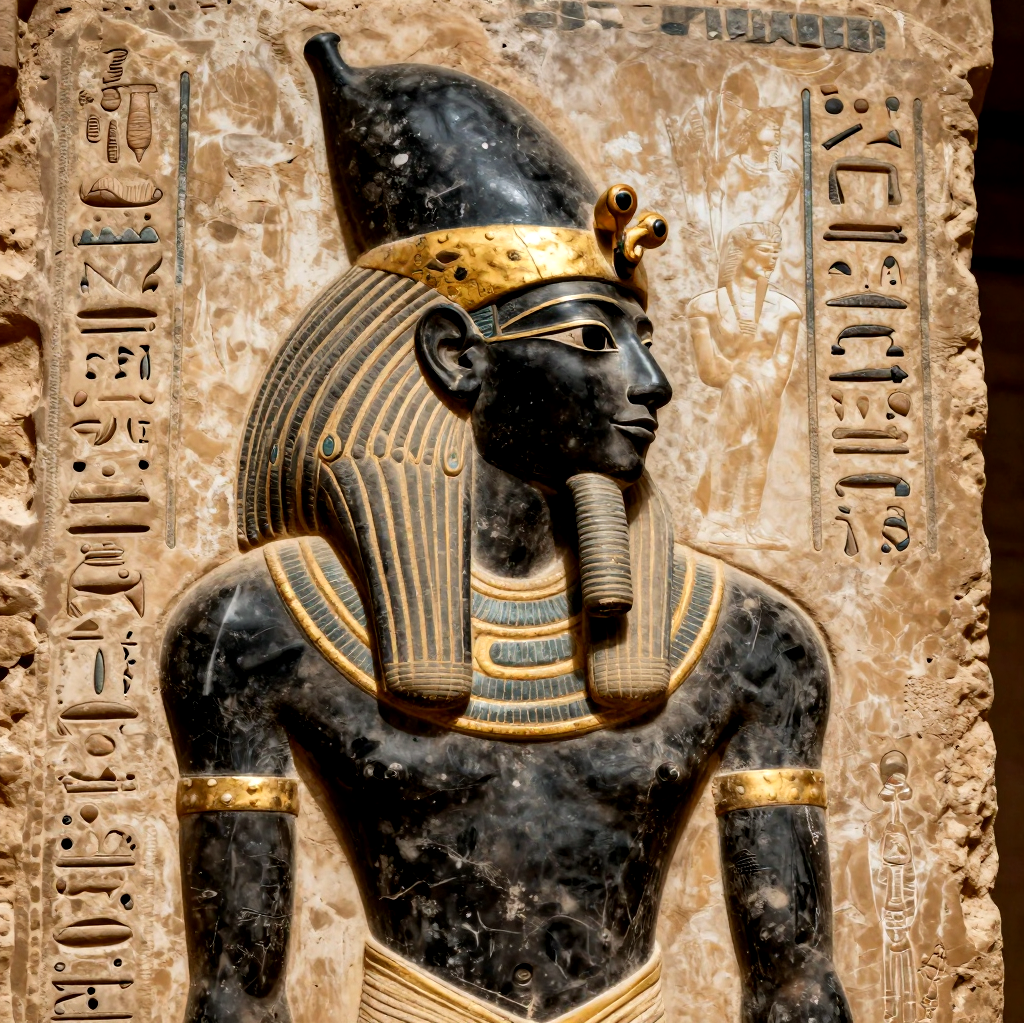
In addition to practical applications in governance, hieroglyphs were instrumental in recording religious texts. The spiritual life of Egyptians was rich and complex, with a pantheon of gods and a deep belief in the afterlife that influenced their daily existence. Hieroglyphic inscriptions often adorned temples, tombs, and monuments, embedding their religious doctrines into the architecture of their civilization. These texts not only offered prayers and rituals but also served to educate the living about their beliefs regarding the divine and the afterlife.
Economic Prosperity and Trade
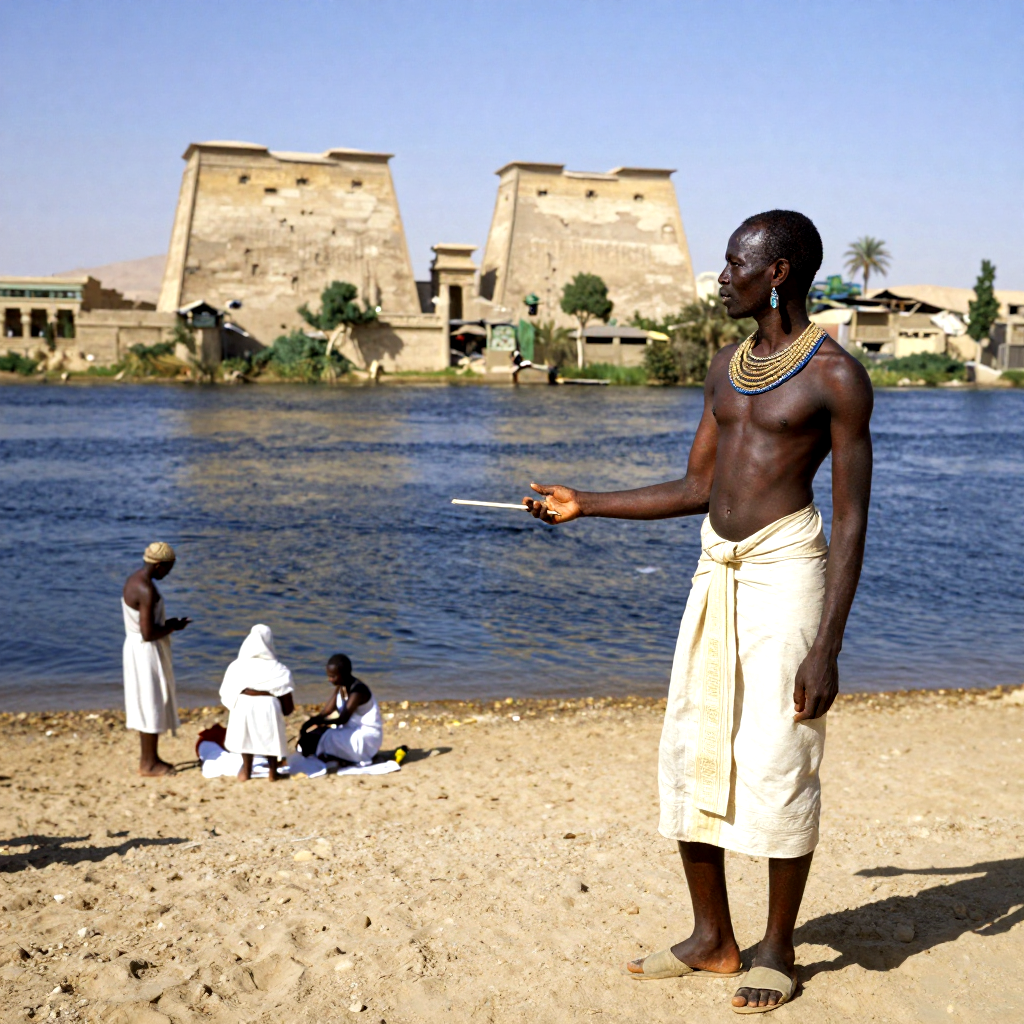
The ancient civilization of Egypt thrived along the banks of the Nile River, a lifeline that shaped its agricultural economy and contributed significantly to its economic prosperity. The predictable annual flooding of the Nile was a phenomenon that allowed Egyptians to cultivate the land efficiently. This flooding left behind a fertile silt that enriched the soil, providing ideal conditions for growing crops such as wheat and barley. The agricultural bounty derived from the Nile not only sustained Egypt’s population but also formed the backbone of its economy, fostering a robust social structure and a sense of stability.
In addition to agriculture, trade played a pivotal role in Egypt’s prosperity. The geographical location of Egypt facilitated trade with neighboring regions. Trade networks extended through the Levant, where Egyptian artisans and merchants exchanged linen, papyrus, and regal goods for timber, oils, and other materials that were scarce in Egypt. The Mediterranean trade routes expanded Egypt’s reach even further, allowing for the import of luxury items such as glass, ivory, and spices. The access to these luxury goods solidified Egypt’s status as a prominent hub of commerce and culture in the ancient world.
The Nubian kingdom, rich in natural resources, was a key trading partner for Egypt. The exchange of goods and materials between the two regions was mutually beneficial, with Nubia supplying valuable minerals while Egypt exported agricultural produce and crafted items. This interaction not only bolstered Egypt’s economy but also fostered cultural exchanges that enriched both societies.
Advances in Science and Medicine
The contributions of Dynastic Egyptians – The Pharaohs, to the fields of science and medicine are both profound and enduring, laying a foundational bedrock upon which future civilizations would build. As one of the most remarkable early societies, the ancient Egyptians demonstrated exceptional advancements in a variety of disciplines, notably astronomy, medicine, and mathematics, each crucial for the development of later civilization and influential on subsequent cultures, including the Greeks and Romans.
Astronomy and Calendars
Under the Pharaohs, the Egyptians developed sophisticated astronomical knowledge and created calendars aligned with the Nile’s cycle. Their year was divided into three seasons: Akhet (the inundation), Peret (the growing season), and Shemu (the harvest). By observing the stars and the movement of celestial bodies, they were able to predict the flooding of the Nile with remarkable accuracy, ensuring that they planted and harvested crops at the optimal times. This also allowed for the synchronization of festivals and religious observances with agricultural events, embedding science deeply within their cultural and religious frameworks.
Medical Practices and Surgery
The medical practices of the ancient Egyptians are particularly noteworthy, as they made significant strides in understanding the human body and its ailments. They documented their medical knowledge in papyrus texts, which included a variety of competencies—ranging from diagnosis to herbal remedies and surgical procedures. The Edwin Smith Papyrus, for instance, is one of the earliest known surgical texts, containing detailed descriptions of injuries, treatments, and surgical techniques. It reflects a systematic approach to diagnosis and understanding anatomy, indicating that Egyptians performed surgical operations such as trepanation, which involved drilling holes in the skull, likely to alleviate pressure or treat injuries.
The Egyptians recognized the importance of both physical and spiritual aspects of health. They utilized a combination of herbal medicines, surgical intervention, and prayers or incantations to treat ailments, showcasing a holistic approach to healthcare. This medical knowledge was not merely theoretical but practiced widely, with physicians often trained through apprenticeships and revered in society.
Early Mathematics
In the realm of mathematics, the ancient Egyptians exhibited extraordinary ability, particularly in areas critical for engineering and construction. To facilitate the building of their monumental architecture—such as temples, pyramids, and other structures—they utilized a practical understanding of geometry and arithmetic. They developed numeral systems based on fractions and created tools for measurement that were essential for construction projects, showing advanced planning and organizational skills.
Egyptian mathematicians crafted methods for calculating areas and volumes, which proved indispensable in their engineering endeavors. The use of simple geometric principles allowed them to design structures with precision, ensuring the stability and longevity of their buildings, many of which stand to this day as testaments to their ingenuity.
Cultural Innovations and Art
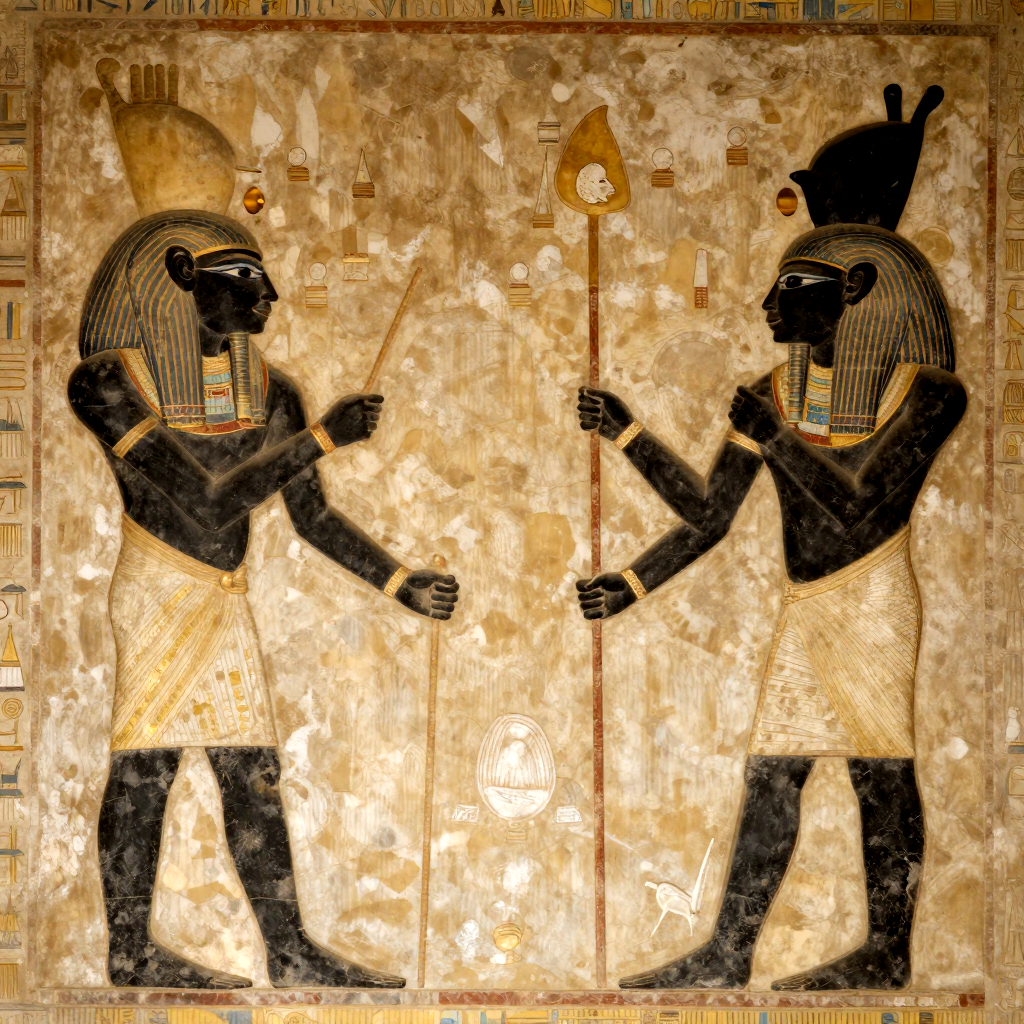
The dynastic period was marked by significant advancements in art, literature, and religious practices. Egyptian art was characterized by its distinctive style, with a focus on order, symmetry, and a commitment to the representation of life and death. Temples, sculptures, and wall paintings not only serve as artistic endeavors but also convey important religious narratives and cultural values. The development of hieroglyphics, a sophisticated writing system, was another monumental milestone that allowed for the recording of important religious texts, legal documents, and historical records. This literacy facilitated administrative efficiency and cultural continuity.
Influence on Later Scholars
The knowledge cultivated by Dynastic Egyptians did not languish in obscurity; instead, it traversed through millennia, influencing later scholars, particularly during the Hellenistic period. Greek thinkers, who were deeply inspired by earlier Egyptian knowledge, made their own breakthroughs while building upon the foundations laid by their predecessors. Figures such as Plato and Aristotle acknowledged Egyptian contributions, and many Greek mathematicians and physicians sought to study and record the knowledge emerging from ancient Egypt.
The Romans too were influenced by Egyptian accomplishments, as they adopted various elements of Egyptian medicine and engineering techniques. This continuity of knowledge across generations underscores the monumental importance of the contributions of Dynastic Egyptians – the Pharaohs.
The achievements of the pharaohs of ancient Egypt are indeed emblematic of one of the most enduring civilizations in human history. From the pivotal moment of unification under Narmer, around 3100 BCE, when Upper and Lower Egypt were brought together, this ancient society began to showcase remarkable advancements that would leave a lasting impact on subsequent cultures. At the heart of Egypt’s success was the role of the pharaohs themselves. As divine rulers, they were not merely monarchs; they were revered as living gods, embodying both political authority and spiritual significance.
Dynastic Egypt – The Pharaonic Era (Previous Reading)
Source:
Toby Wilkinson – author of The Rise and Fall of Ancient Egypt.


 Adinkra Admin