






Who Were the Hyksos?
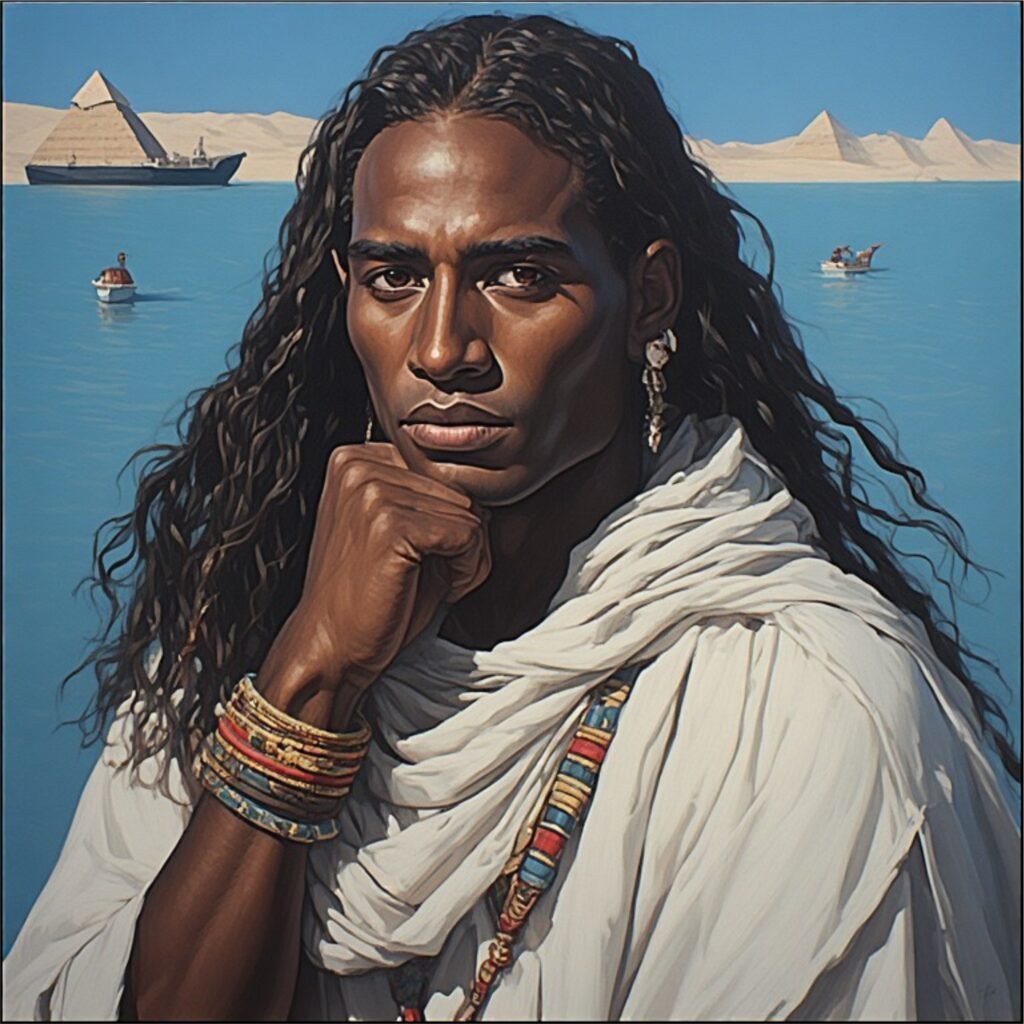
The Hyksos, often labeled as foreign invaders in the dominant Eurocentric historical narratives, present a complex and fascinating picture that challenges conventional assumptions about their identity and origins. These narratives have long categorized the Hyksos as purely West Asian, focusing primarily on their supposed Levantine heritage while often neglecting the intricate tapestry of connections between the Hyksos, Egypt, and the broader African continent.

A possible Afroasiatic: They were likely immigrants who gained control during a weak period in Pharaonic Egyptian history; not necessarily a single invading army.
Given the limited data, a comprehensive understanding of the Hyksos necessitates re-examining their emergence from a continuous population belt between Northeast Africa and the Levant. Their ancestors (the Natufians) carried African genetic markers (Haplogroup E) and physical traits (dental and limb proportions) that linked them directly to the African interior. If the Hyksos spoke a Semitic language—a branch of the African-originated Afroasiatic family—their linguistic roots would tie them directly to the Ancient Egyptians, Berbers, and Cushitic peoples. For centuries before they took power, they lived in the Egyptian Delta as traders, builders, and soldiers. They weren’t a “new race” invading Egypt; they were an extension of the same regional network that had been interacting with Egypt since the Stone Age.They descended from a continuous population belt that extended from Northeast Africa into the ancient Levant, primarily characterized by the presence of the Natufians, a prehistoric culture that thrived in the region.
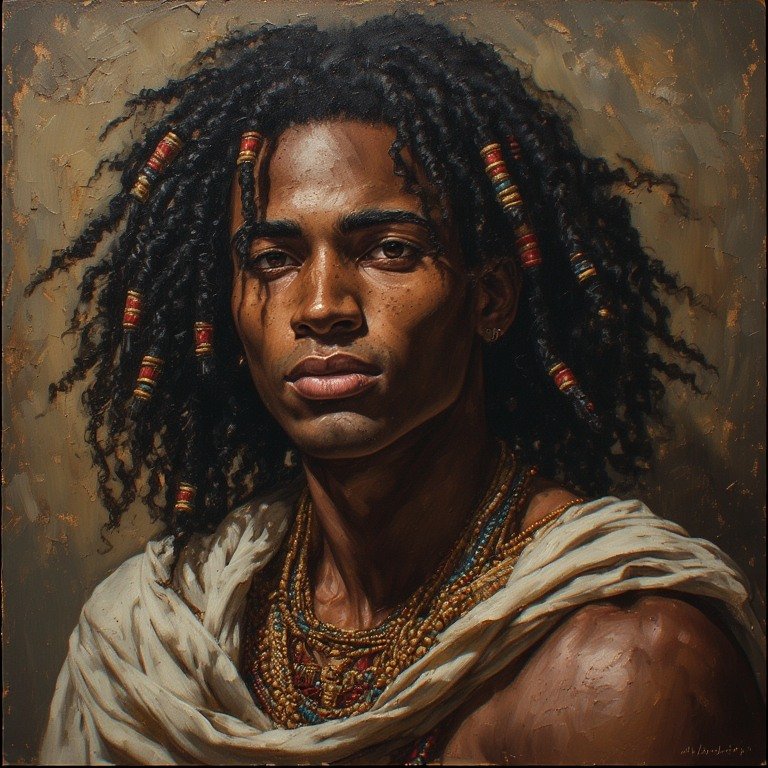
Hyksos emerged from an already established community inside Egypt. They adopted Egyptian titles, practices, and religion, suggesting shared cultural values. For Egyptians to co-habit and cooperate with Hyksos communities, there must have been significant social compatibility, including possibly shared ancestry or regional relatedness.
Even though C. Loring Brace demonstrated that Pre-Dynastic Egyptians and Natufians (ancestors of the Hyksos) were craniofacially similar to populations from the Horn of Africa rather than to Greeks or Iranians, it is still crucial to consider other evidence when exploring the complex history of the Hyksos and their role in Egypt, especially without comprehensive skeletal or genetic evidence.. One of the most compelling aspects to examine is the social integration and eventual acceptance of the Hyksos by native Egyptians, which suggests not only cultural connections but also potential biological affiliations.
To break this down carefully, we begin with the premise that the Hyksos integrated into Egyptian society before they assumed political power. This integration could not have occurred without significant social interaction and cultural exchange, which served as the foundation for their rise. The very fact that they were able to coalesce into the fabric of Egyptian life indicates a level of acceptance that goes beyond mere dominance or conquest. Furthermore, there is evidence to suggest that the Hyksos.
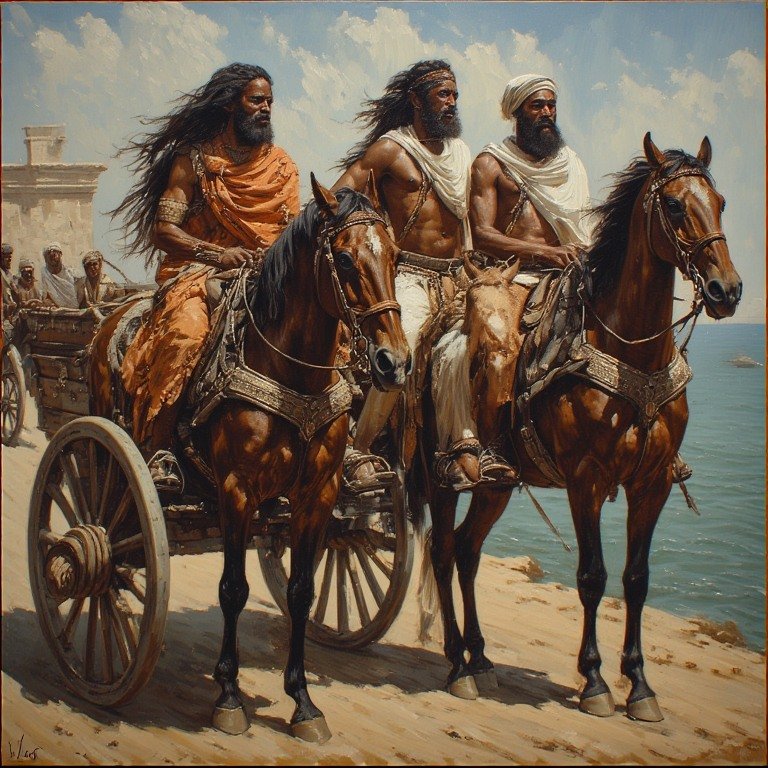
Co-habitation and administrative integration is a strong indicator that the Hyksos were culturally and biologically compatible with Africans (ancient Egyptians).
While conventional archaeological and genetic evidence can be limited, the social integration and acceptance of the Hyksos by native Egyptians indicate that there were strong cultural and possibly biological connections between the two groups long before their takeover. Even in the absence of detailed skeletal or genetic evidence, the social dynamics that emerged between the Hyksos and the indigenous Egyptian population suggest profound cultural and possibly biological connections. The fact that the Hyksos could participate in governance suggests that existing social hierarchies were flexible enough to allow for this integration, which hints at shared values and practices that facilitated their acceptance. It equally implies that the Hyksos were not entirely foreign elements disrupting an otherwise homogenous Egyptian society. This cultural acceptance indicates that they likely shared overlapping ancestry with various African populations.
Further research and exploration into the genetic links and cultural exchanges will continue to enrich our understanding of this complex historical chapter.
The Hyksos Takeover of Pharaonic Egypt (Previous Reading)
Source:
Museum & Scholarly Summaries
The Metropolitan Museum of Art – Heilbrunn Timeline


 Adinkra Admin